CommunityDen-enchofuEatGourmetIndustrySenzokuikeYaguchi

[Special]Celebrating Ota City’s 80th Anniversary A Legacy Cherished Over Generations:Ota City’s Long-Established Businesses


Ota City was established on March 15, 1947, through the merger of the former Omori and Kamata Cities.

As part of the celebrations leading up to the city’s 80th anniversary in March 2027, we are shining a spotlight on long-established local businesses that have grown and evolved alongside the community.

Reinventing the Neighborhood Liquor Store: The Charm of Sake Sold by Volume

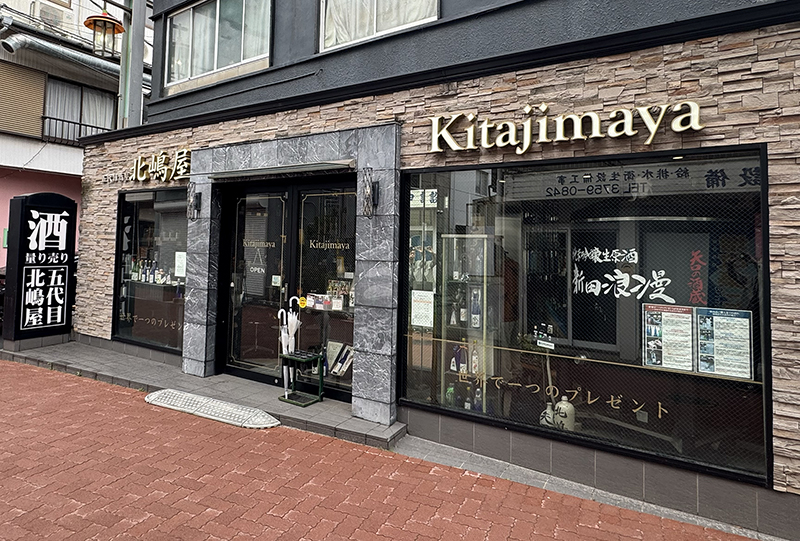
Kitajimaya

Located in Yaguchi, Ota City, Kitajimaya is a historic liquor store that has been serving the community since the early Meiji era. Today, the shop is run by its fifth-generation owner.


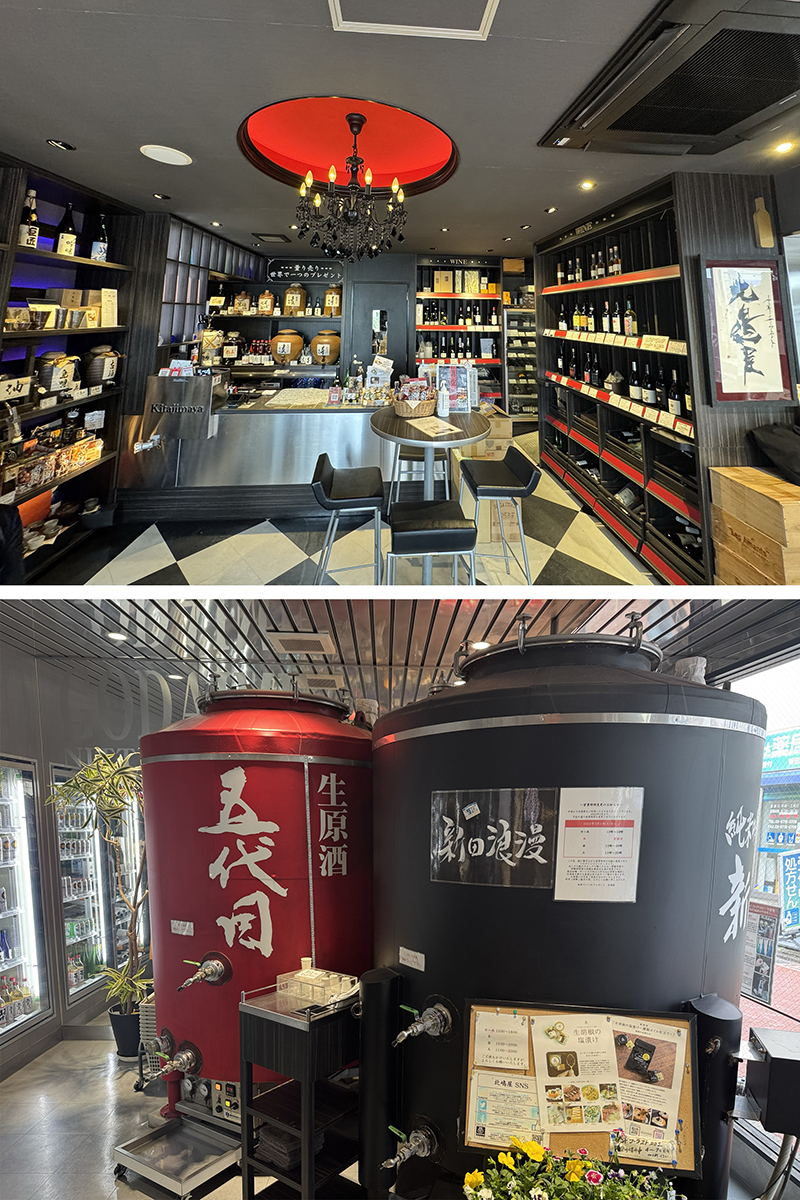
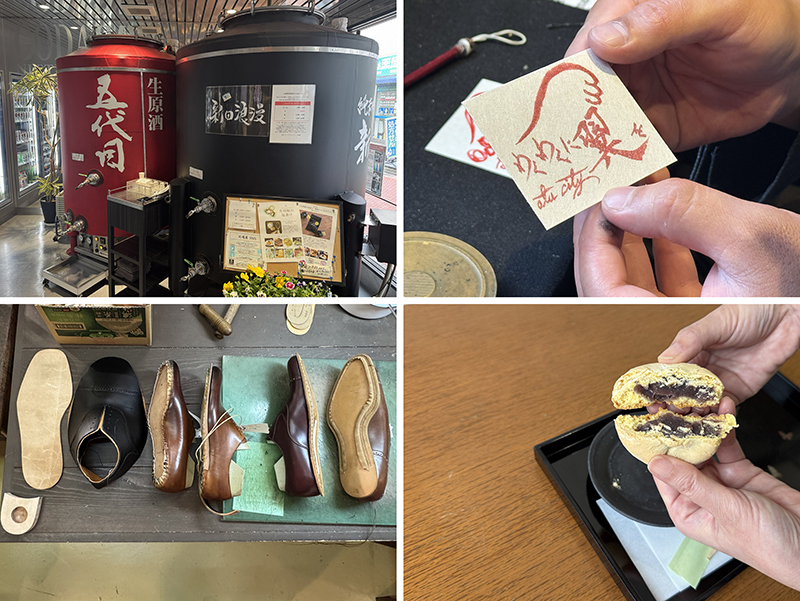
Step inside, and you’ll find a surprisingly modern interior accented in black and red, with a large sake tank serving as the store’s striking centerpiece.


Although Kitajimaya’s history stretches back more than a century, its journey has not always been easy. About 30 years ago, deregulation of the liquor retail industry dramatically changed the business landscape.

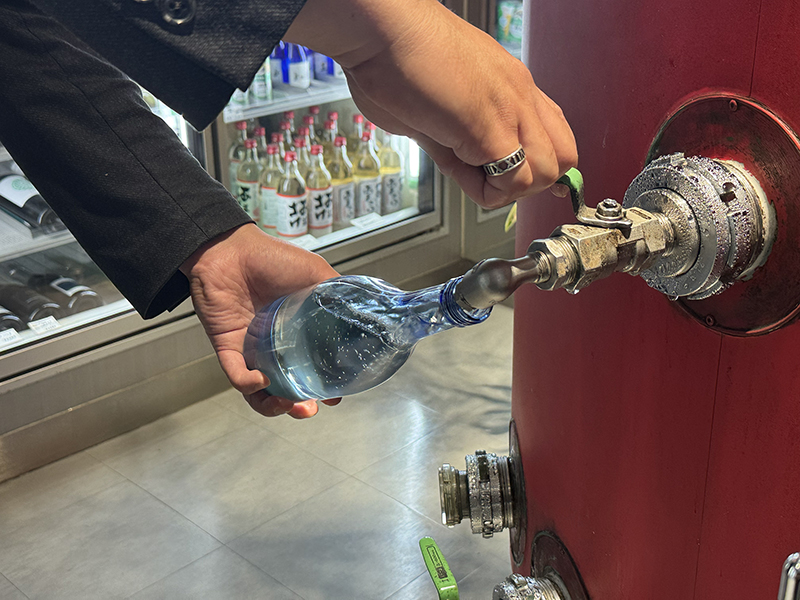
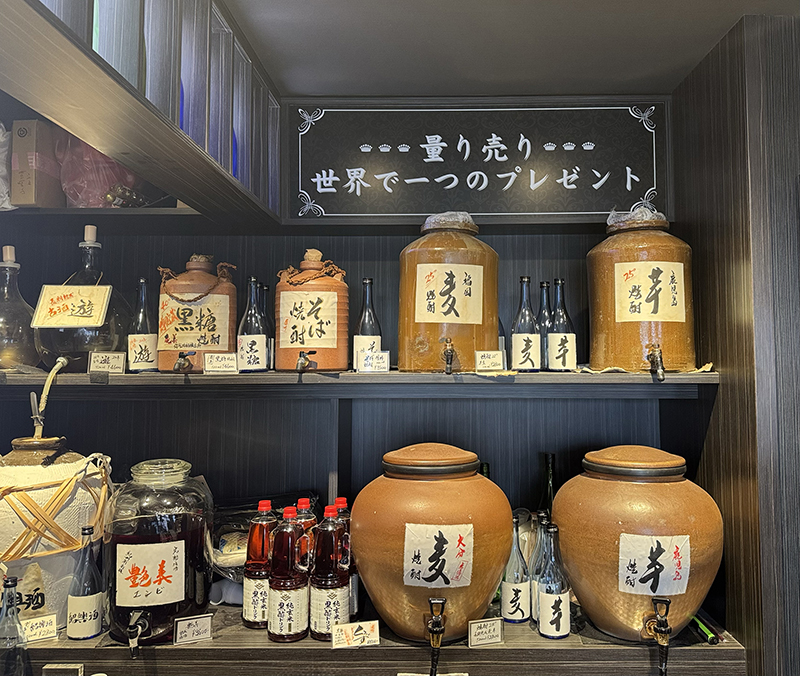
As supermarkets and convenience stores began selling alcohol, traditional liquor stores could no longer rely on the protections once afforded by exclusive sales licenses. In response, Kitajimaya embraced a bold new idea:selling sake by volume directly from the tank.

Today, the shop’s signature offering is Nama-Genshu, an unpasteurized, undiluted sake sold by volume. Unlike most commercially available sake, which is heat-treated to improve shelf life, Nama-Genshu is kept in a state that closely resembles the sake immediately after pressing.

Because it requires careful temperature control, relatively few retailers carry it. Kitajimaya offers two varieties, Nitta Roman and Godaime , which are delivered in refrigerated tanks directly from a brewery in Nagano Prefecture.


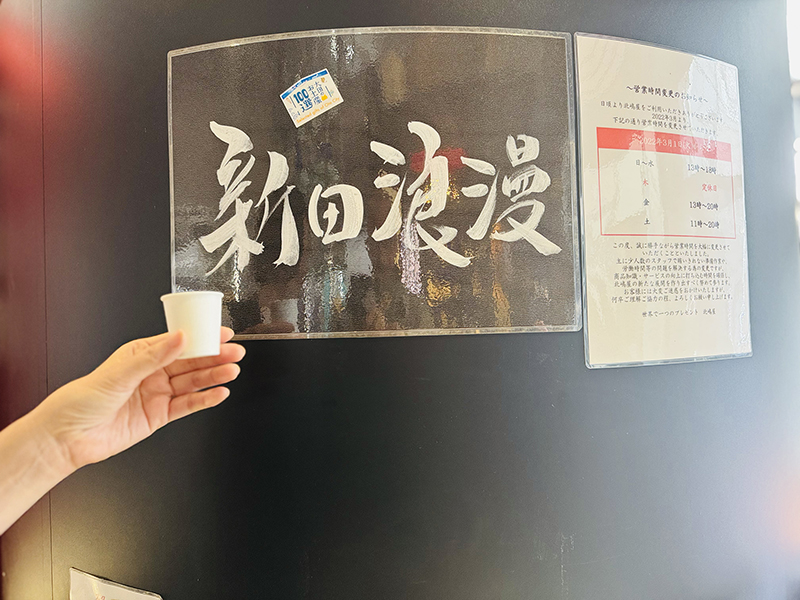
Nitta Roman has been selected as one of the Selected 100 Souvenirs from Ota and recognized as one of Ota’s Famous Items , and customers can even sample it in the store.
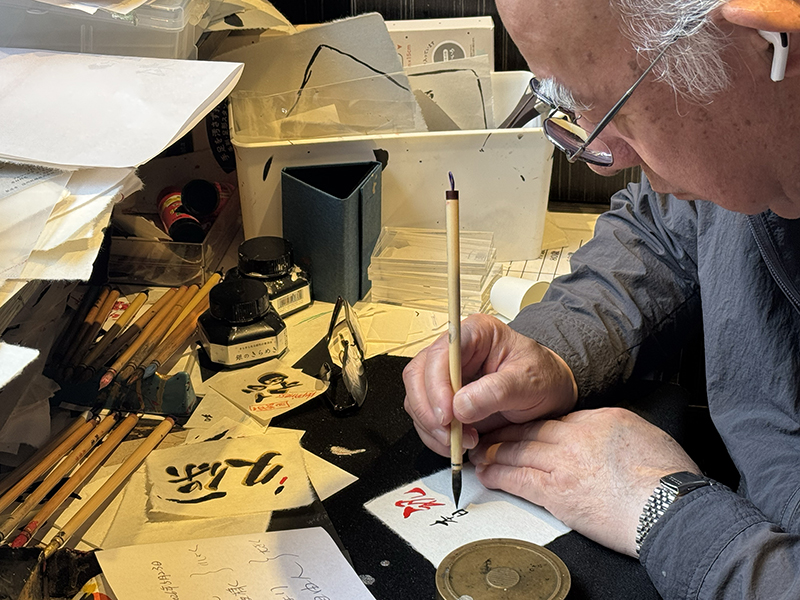
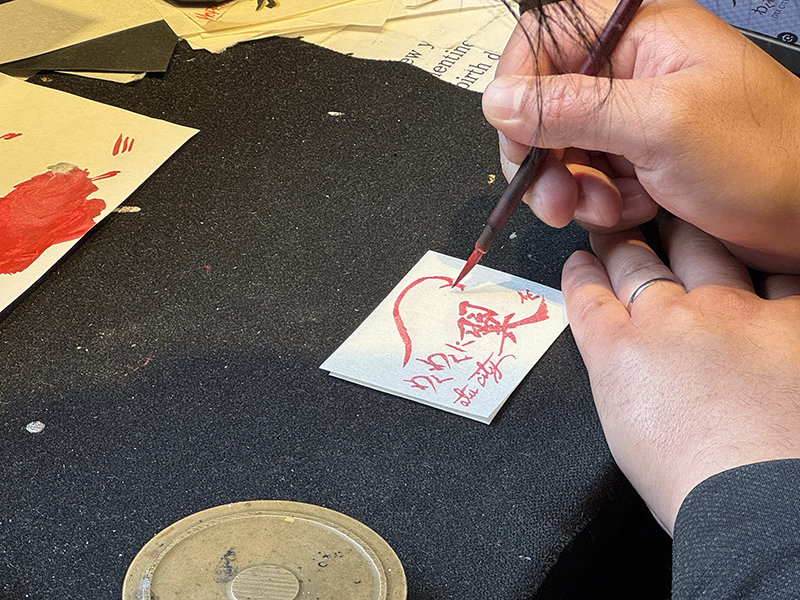
Part of the fun is the purchasing experience itself. Customers can choose their favorite bottle design, have it filled on the spot, and even order a custom label featuring hand-brushed calligraphy.


These personalized bottles are especially popular as gifts, often bearing messages of thanks or congratulations.


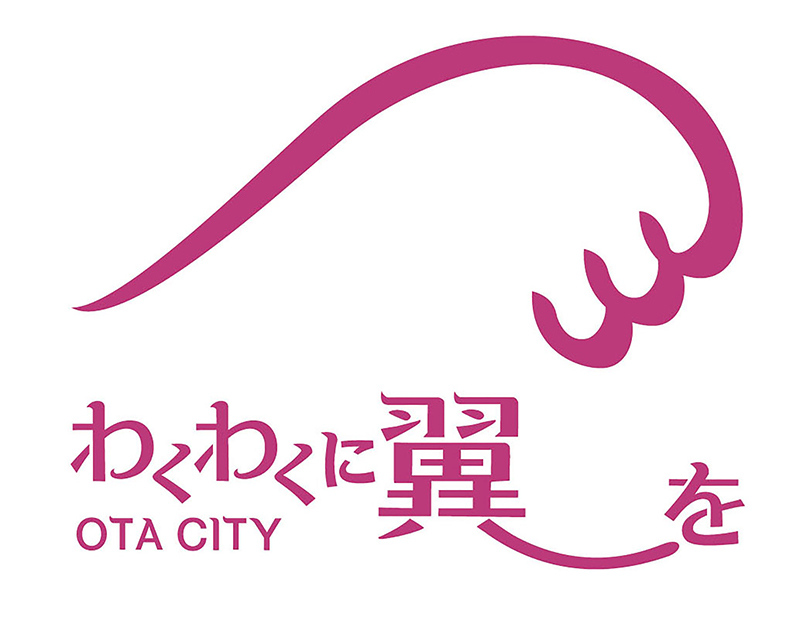
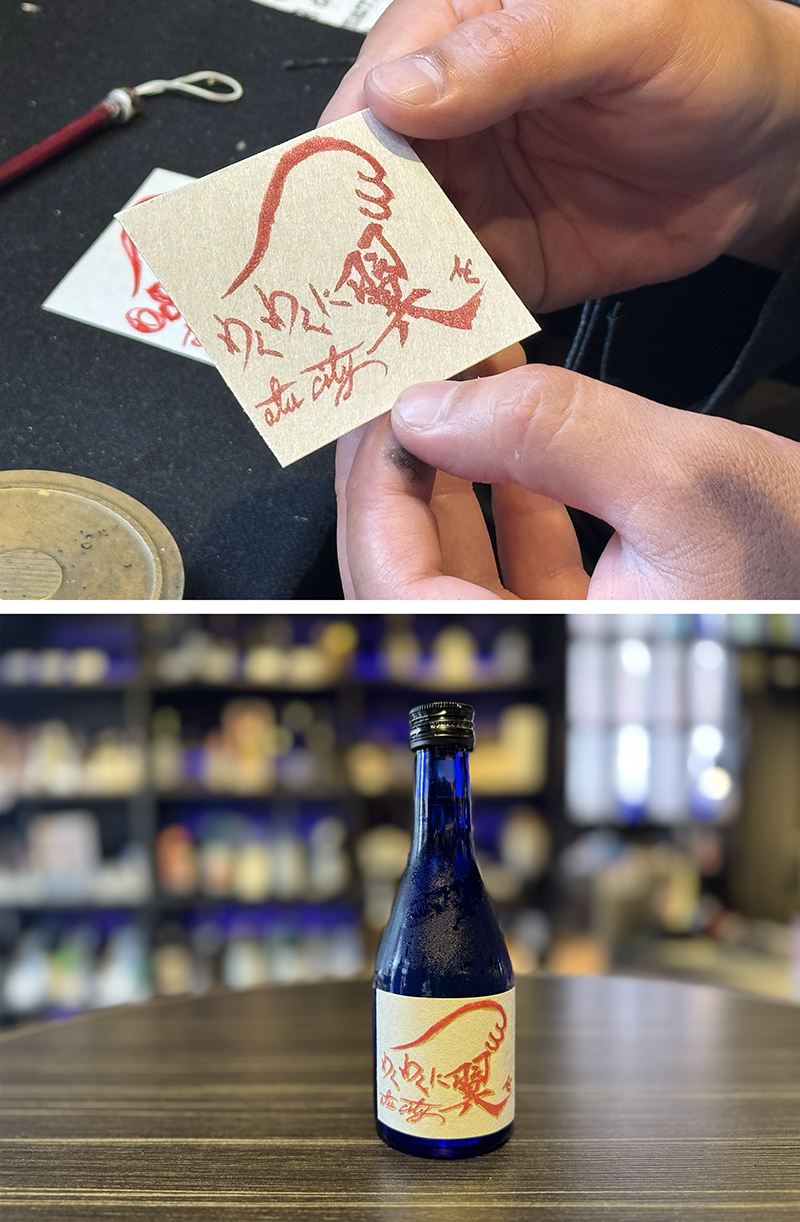
For this feature, we created an original label inspired by Ota City’s promotional brand message, Wakuwaku ni Tsubasa wo (Giving Wings to Excitement!) .


The Wakuwaku ni Tsubasa wo logo


The finished bottle becomes a truly one-of-a-kind keepsake.

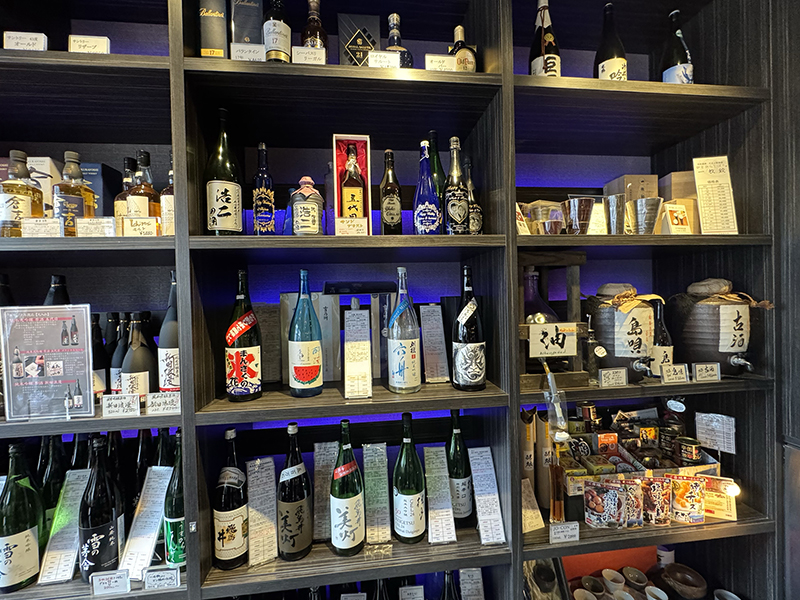
Beyond sake, Kitajimaya offers an impressive selection of alcoholic beverages, and tastings are generally available so customers can discover drinks that suit their individual preferences (excluding wine).


Sake is available in small quantities starting from 180 ml.

Shochu, aged spirits, Shaoxing wine, fruit liqueurs, and even seasonings are also sold by volume.

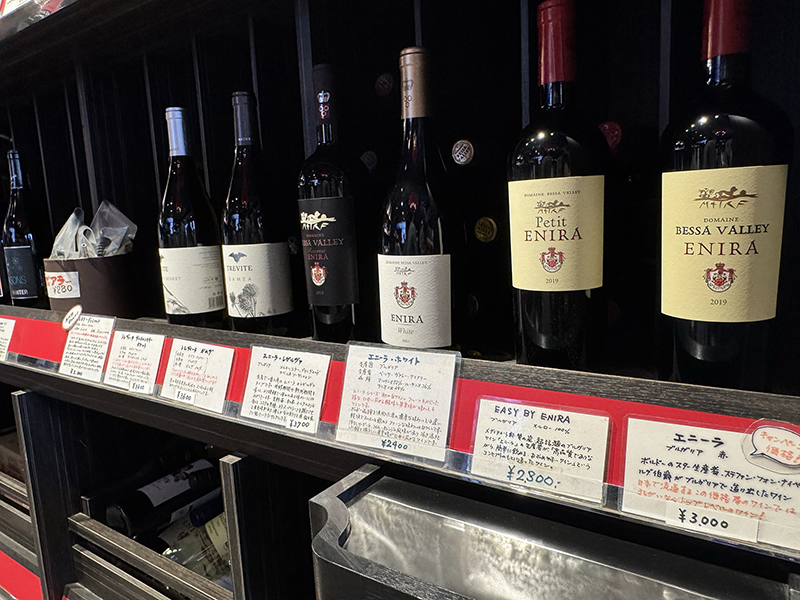
The shop carries Bulgarian wines, which are rarely distributed in Japan yet have earned a devoted following.
Another thing that sets Kitajimaya apart is its emphasis on the story behind each drink.

The shop carefully selects products with compelling histories, and the information displayed throughout the store conveys a deep respect for the brewers and the passion behind their craft.


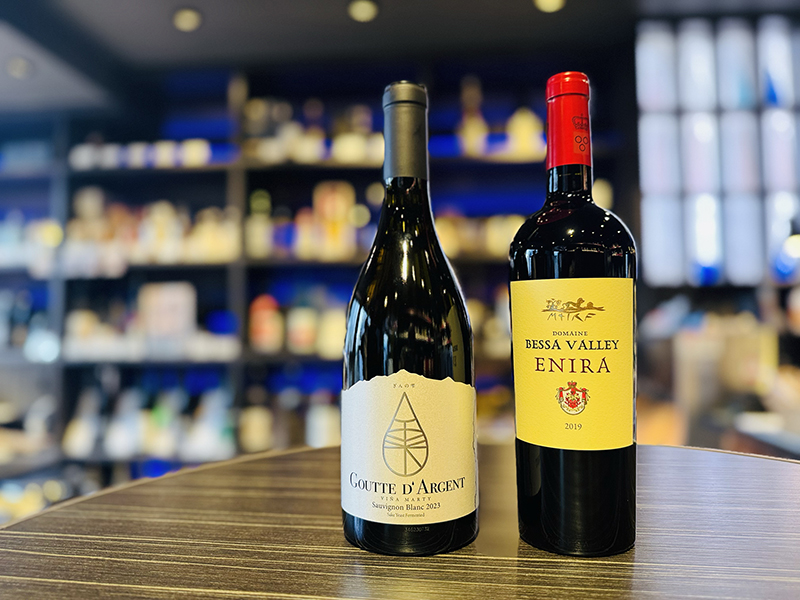
Featured here are Gin no Shizuku (Goutte d'Argent) Sauvignon Blanc , a Chilean wine made using techniques inspired by Japanese sake brewing (left), and Enira , one of the shop’s most popular Bulgarian wines (right).
What Kitajimaya values most is continuing to introduce new ways to enjoy alcohol that reflect the changing times.
In this quiet corner of a residential neighborhood, customers browse bottles, chat with the owner, and discover something new with every visit. That experience itself may be the true charm of Kitajimaya.

Sekai de Hitotsu no Present - Kitajimaya
Address: 1-21-18 Yaguchi, Ota-ku, Tokyo
Hours: 1:00 p.m. - 6:00 p.m. (Fridays: 1:00 p.m. - 8:00 p.m., Saturdays: 11:00 a.m. - 8:00 p.m.)
Closures: Thursdays

Over 150 Years of Japanese Shoemaking Heritage Otsuka Shoe Co., Ltd.

Otsuka Shoe Co., Ltd.

Our next stop was Otsuka Shoe Co., Ltd. , a long-established shoemaker with its headquarters and factory in Kugahara, Ota City.
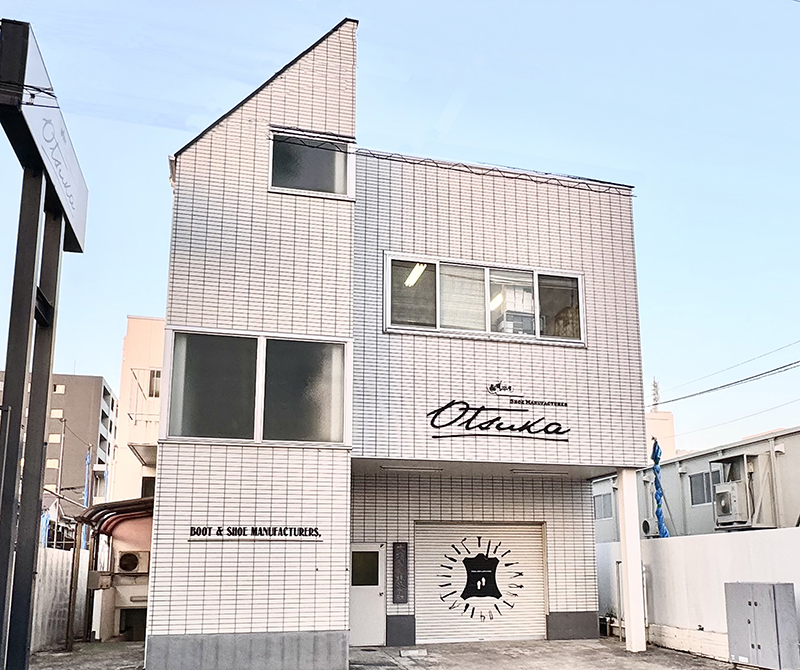


Founded in 1872, the company is the oldest surviving specialized shoe manufacturer in Japan. Its history dates back to a time when the custom of wearing shoes had not yet become firmly established in Japan.

After mastering the craft of shoemaking, founder Iwajiro Otsuka opened Otsuka Shoten near present-day Shimbashi.
As the years passed, the company adapted to changing times, expanding into the production of military footwear and later growing alongside Japan’s postwar economic boom.
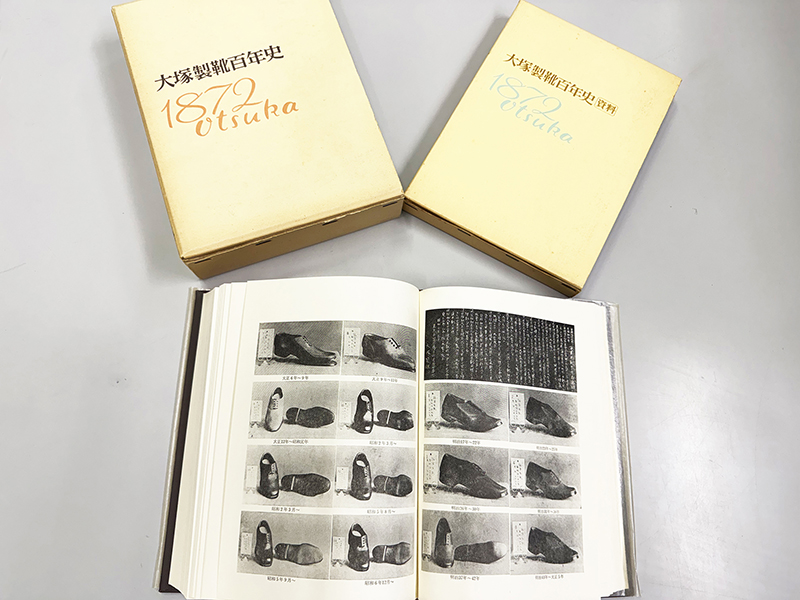

The company's history as recorded in its corporate history book.
Today, Otsuka Shoe is dedicated to sharing the value of leather shoes crafted by Japanese artisans.

Since relocating its headquarters and factory to Ota City in 2017, the company has focused on producing high-quality footwear, including unique, one-of-a-kind creations.
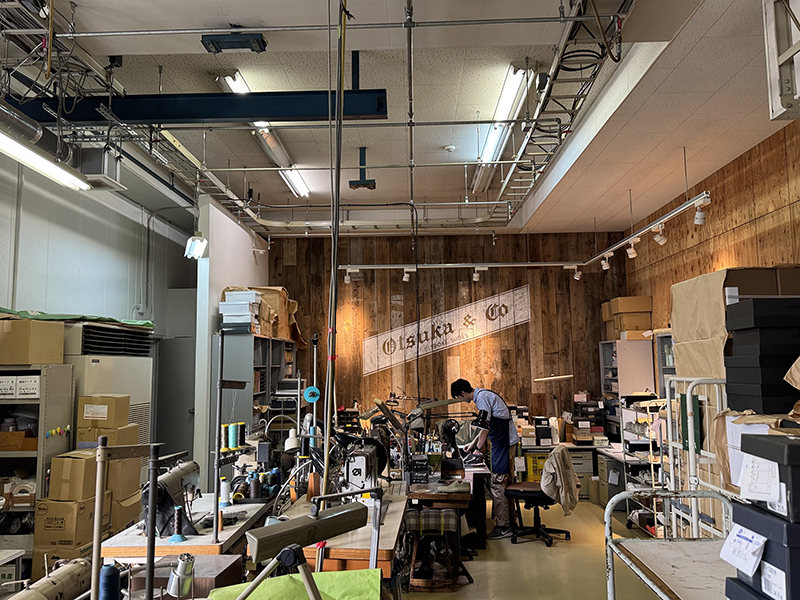


At the Kugahara factory, shoes are primarily made using the Goodyear welt construction method, in which the upper and sole are stitched together. The company maintains an integrated in-house production system that handles every stage of the process, from cutting the leather and sewing the upper to attaching the sole, while preserving traditional handcrafting techniques that have become increasingly rare in Japan.

The company also places great emphasis on made-to-order shoes tailored to detailed measurements of each customer’s feet, as well as pattern-order shoes, which are crafted using a selected shoe last from the company’s existing lineup.

During our visit, we were given a special opportunity to observe the production of a made-to-order pair crafted specifically to match a customer’s feet.

The process begins with fine calfskin imported from France, which is cut into individual components using an automated cutting machine.
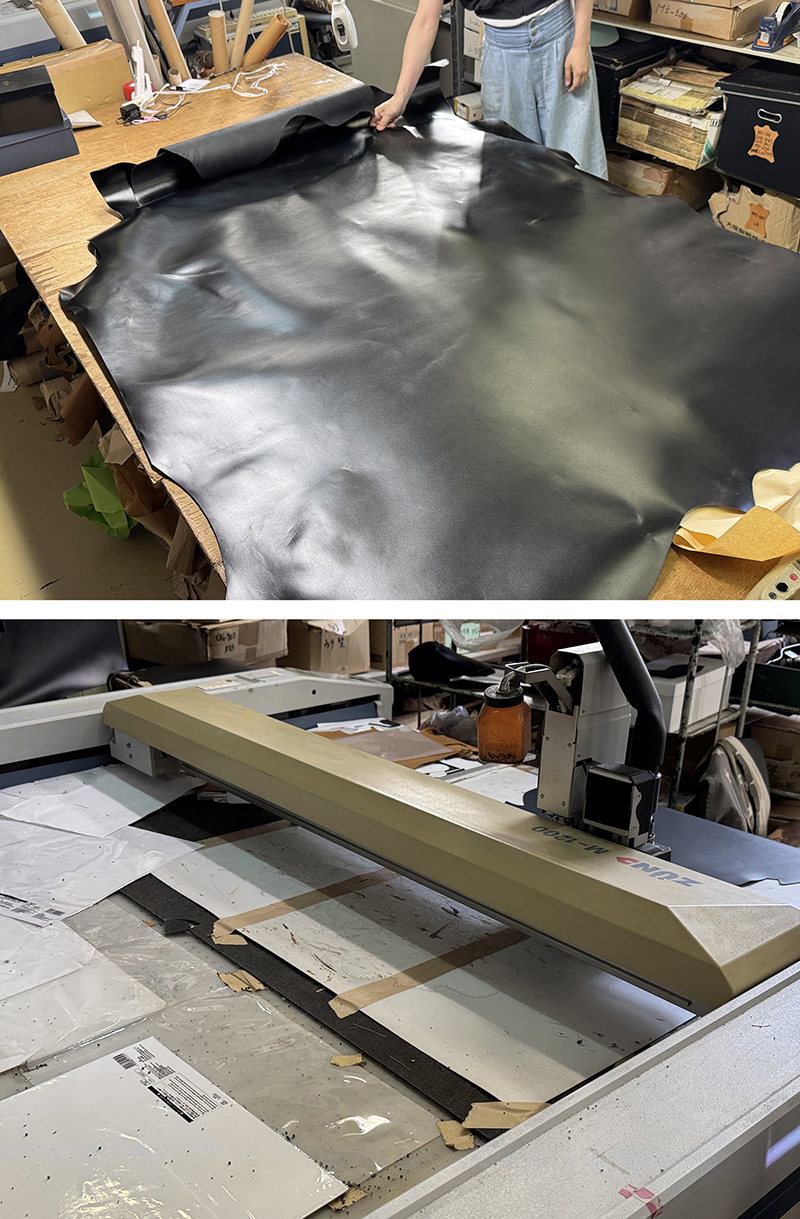


At this stage, the shape of the finished shoe is still impossible to imagine.
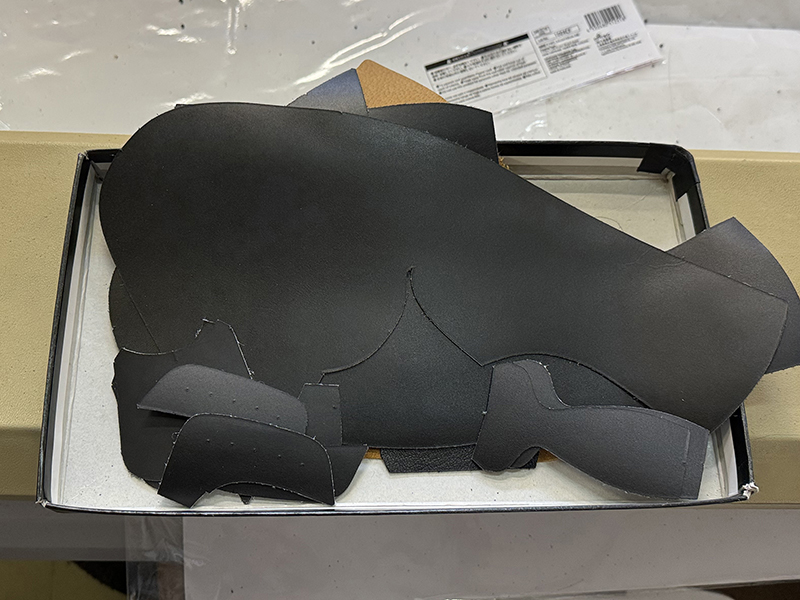


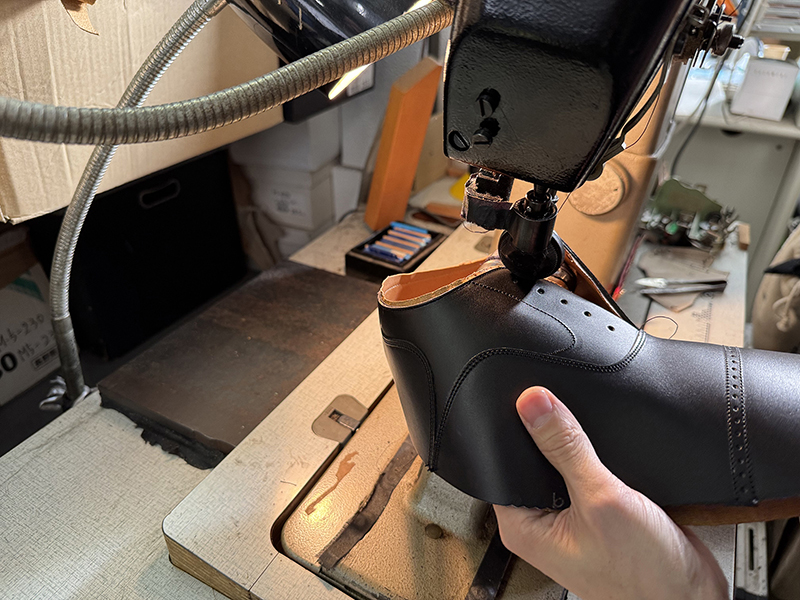
Next, skilled artisans carefully sew the pieces together. A craftsperson may complete only about three pairs in a single day.
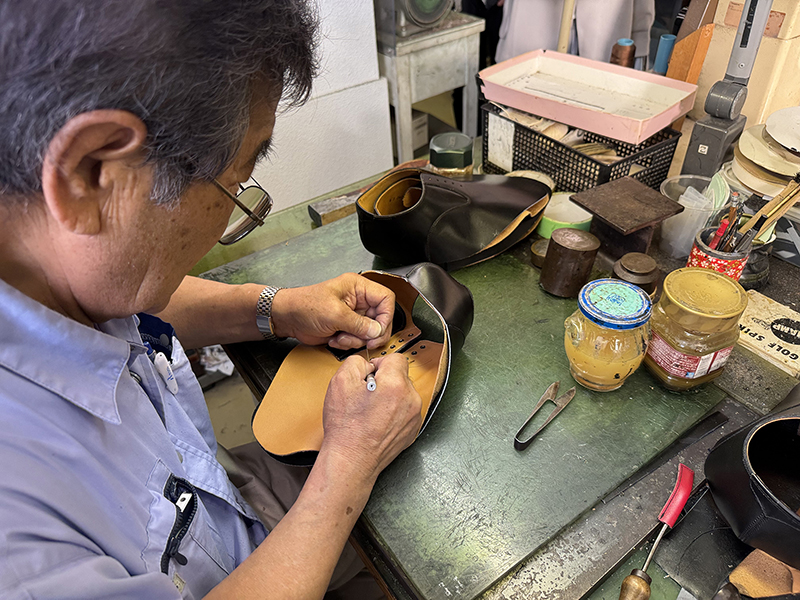


The soles, which are also made entirely from cowhide, are then securely attached through hand-stitching.
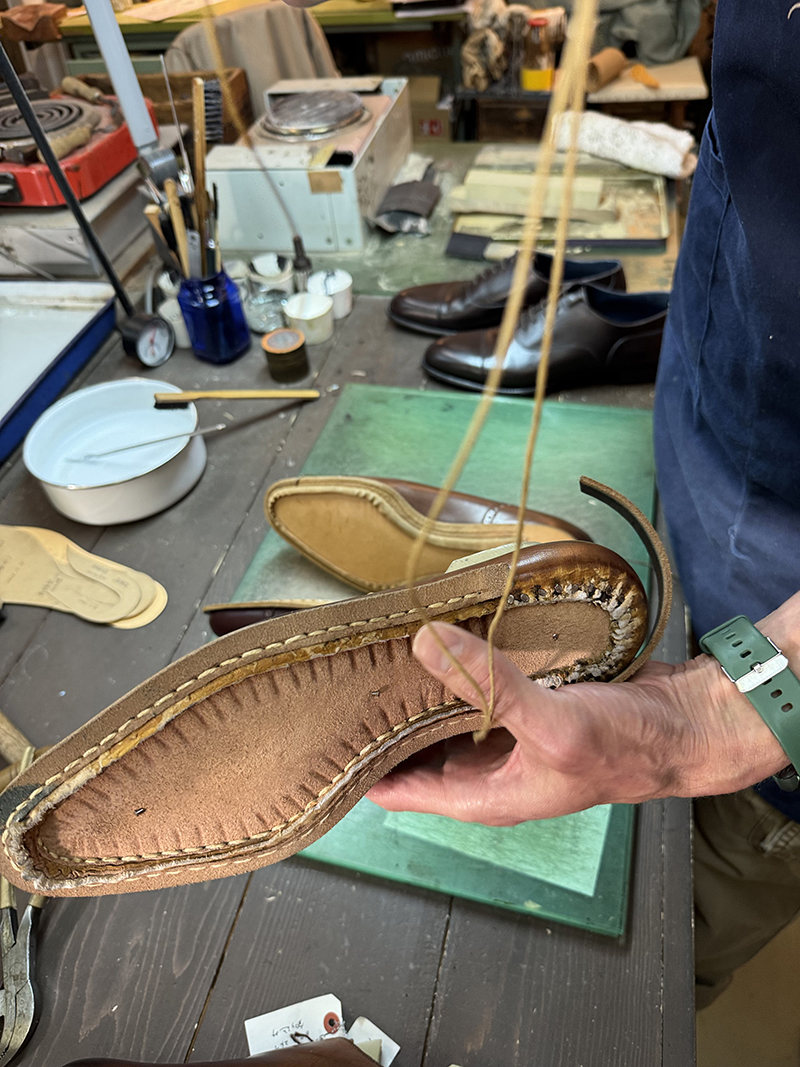
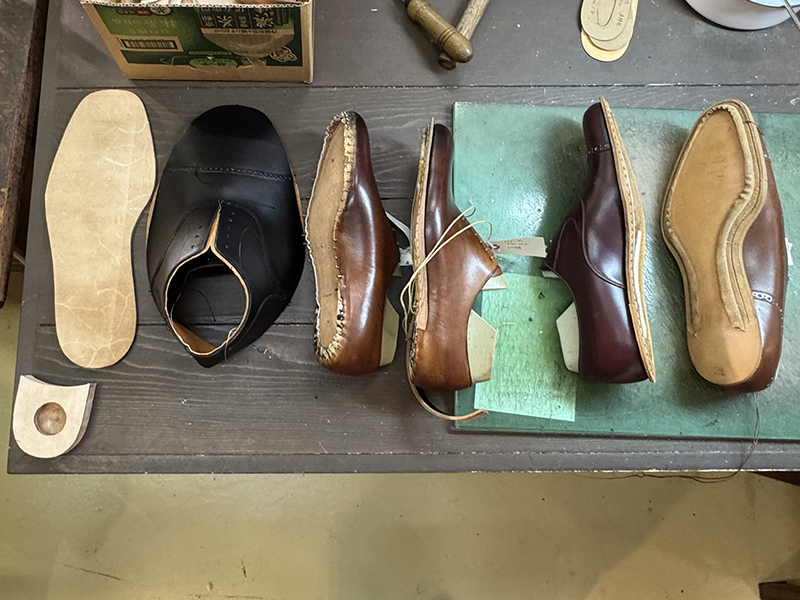


Cork is placed inside the sole, allowing the shoe to gradually conform to the wearer’s foot over time. Because these shoes can be repaired and worn for decades, some customers have continued wearing the same pair for more than 50 years.

Their longevity also makes them a popular choice for milestone gifts, including coming-of-age celebrations.
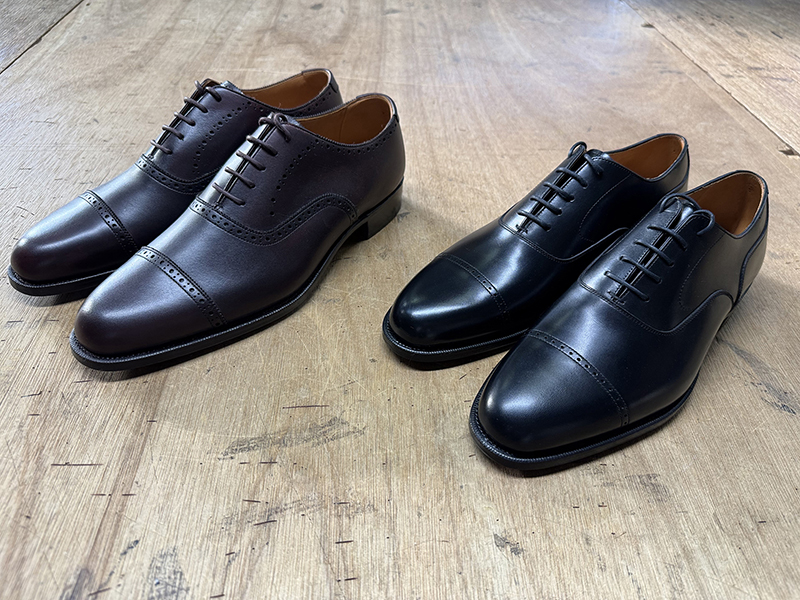


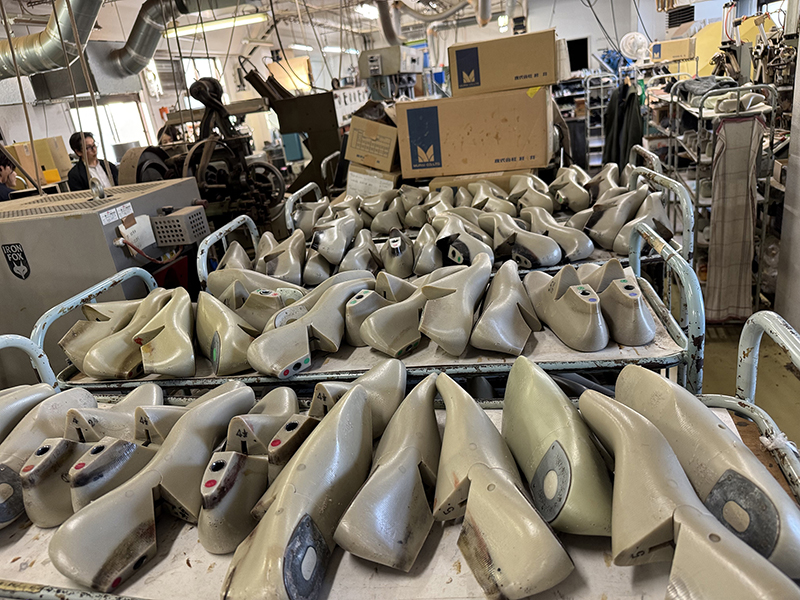
We also toured the production line for ready-made shoes. Although specialized machinery is used throughout the process, experienced artisans remain involved at every stage, and it takes approximately one week to complete a single pair.
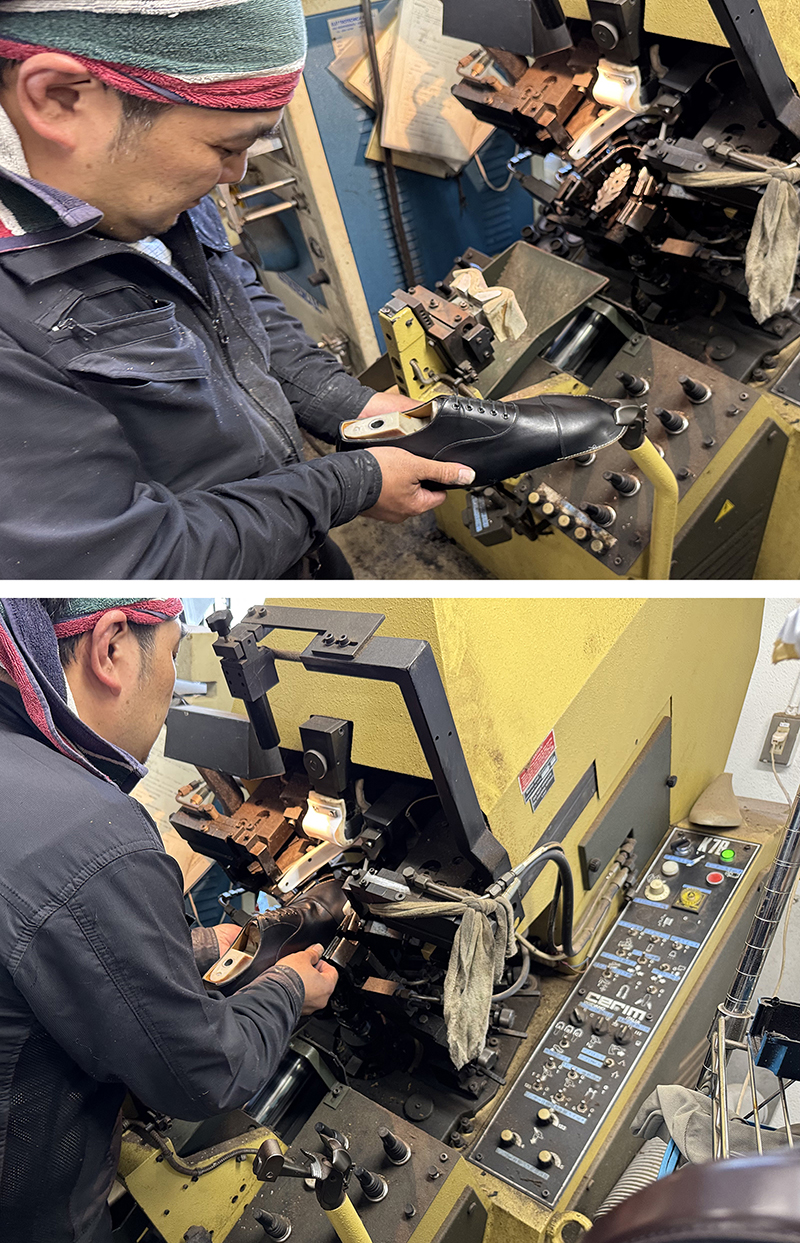
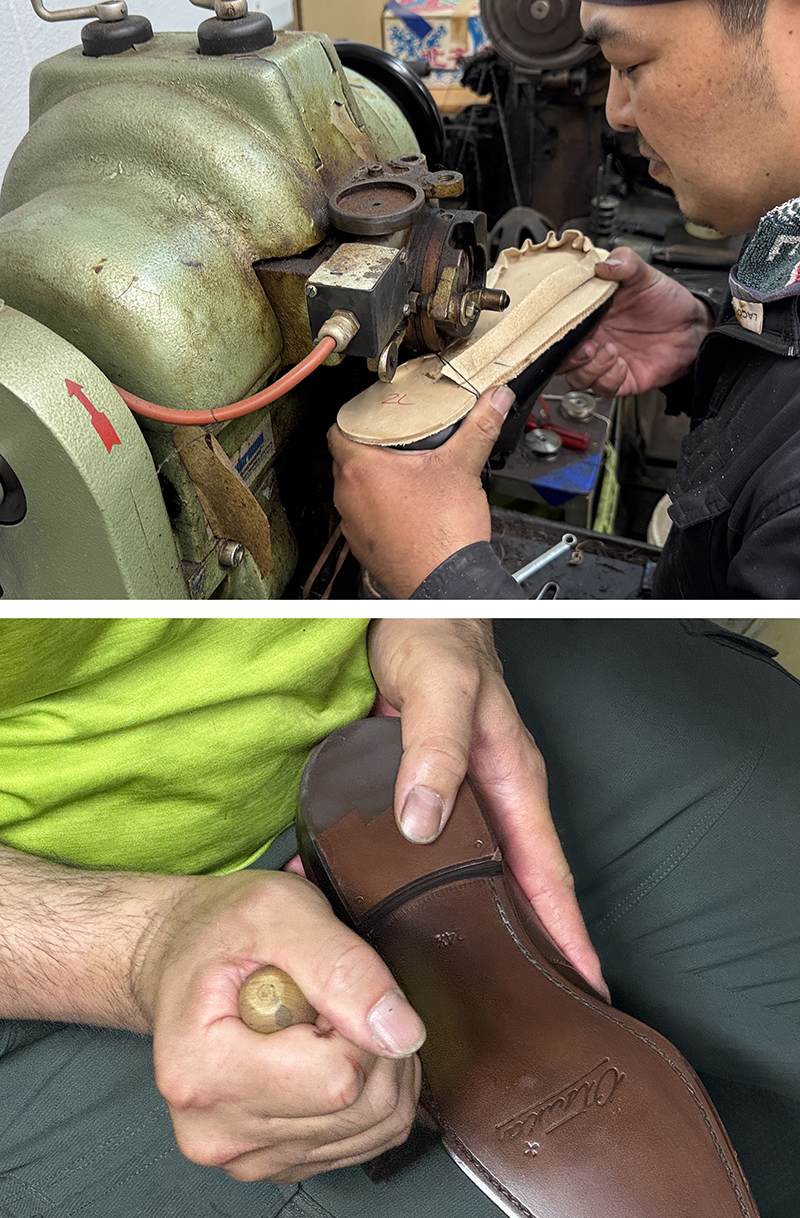


Finally, each pair is carefully polished before being sent to the store.
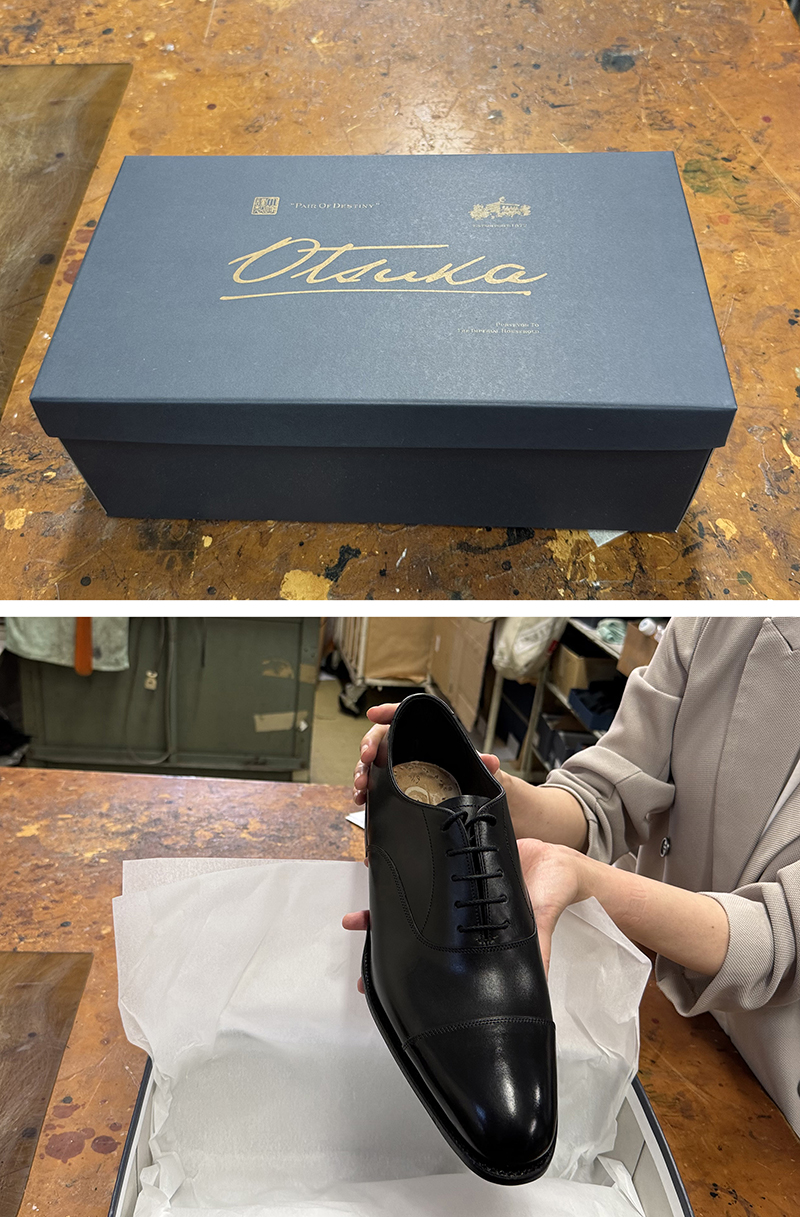


The excitement of seeing rows of beautifully polished leather shoes in the shop is the result of countless hours of meticulous craftsmanship.

With a commitment to creating footwear that is both durable and made to last, the artisans of Otsuka Shoe continue their work in Ota City every day.

Otsuka Shoe Co., Ltd.
Head Office: 2-24-24 Kugahara, Ota-ku, Tokyo
Directly Managed Store
Shoe Manufacturers [Otsuka]
Address: Roppongi Hills West Walk 4F, 6-10-1 Roppongi, Minato-ku, Tokyo
Hours: 11:00 a.m. - 8:00 p.m. (open daily)

Connecting the Community Through Beloved Japanese Sweets

Den-en-chofu Akebono

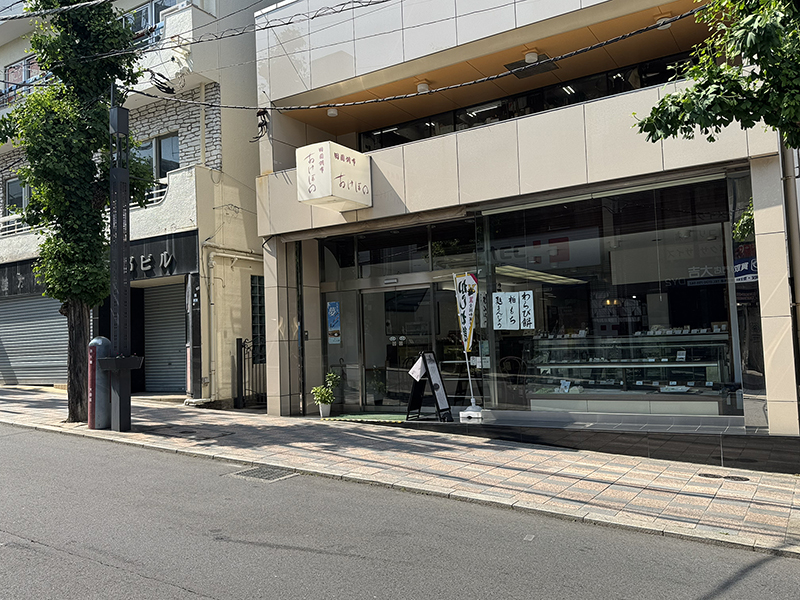
Just a short walk from Den-en-chofu Station in Ota City, Den-en-chofu Akebono is a beloved Japanese confectionery that has long been cherished by local residents.


Founded in 1932, the shop has been crafting traditional Japanese sweets in this neighborhood for more than 90 years.


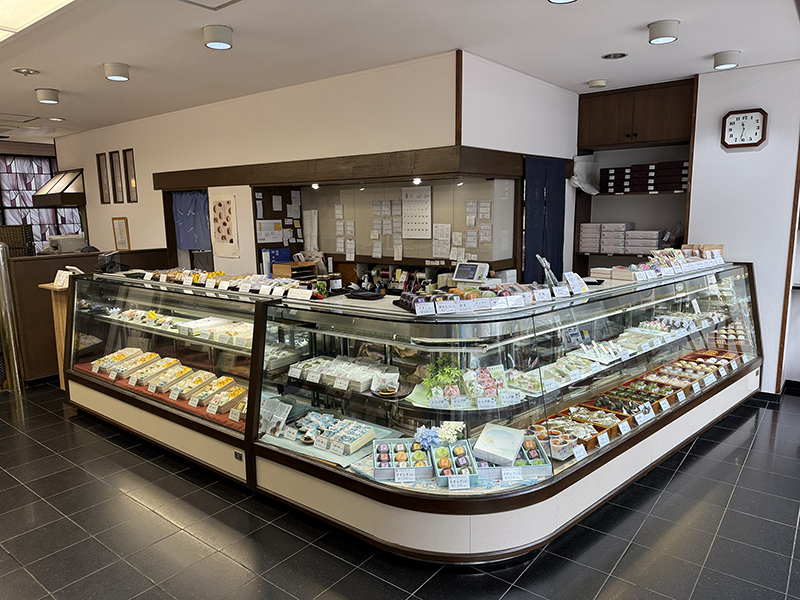
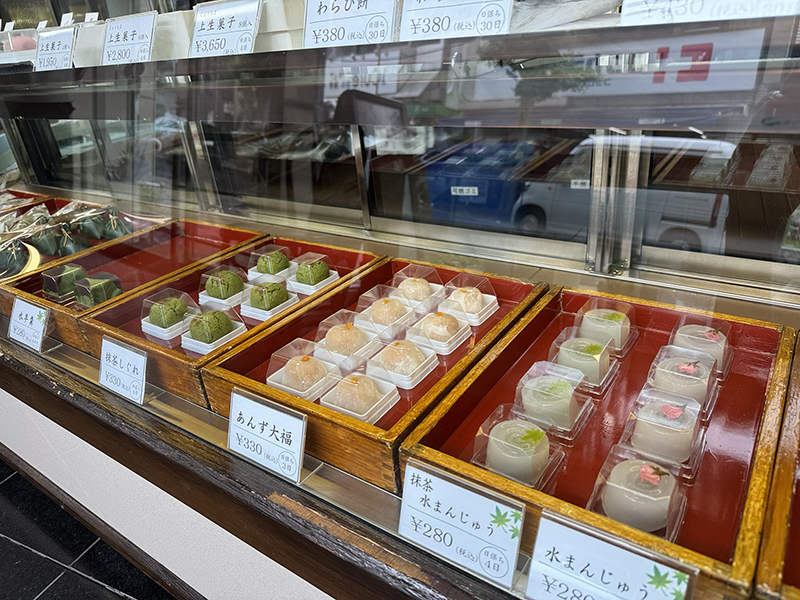
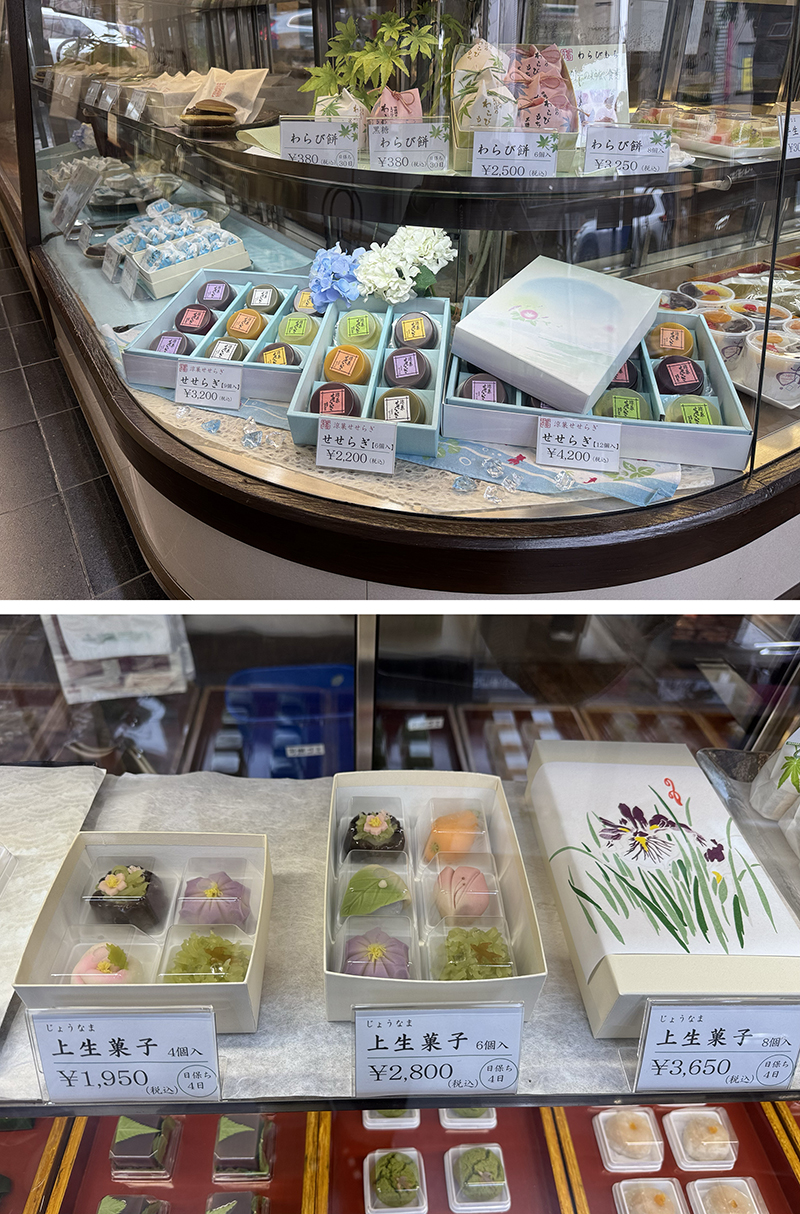
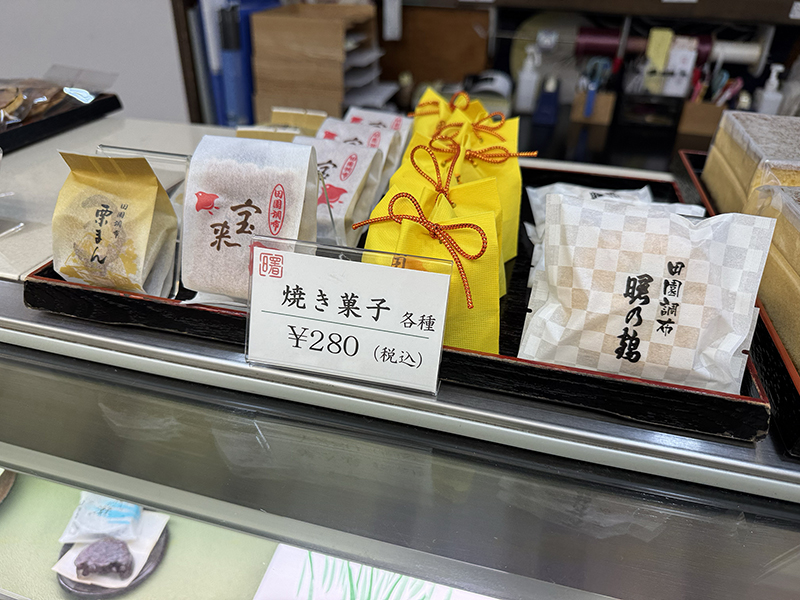
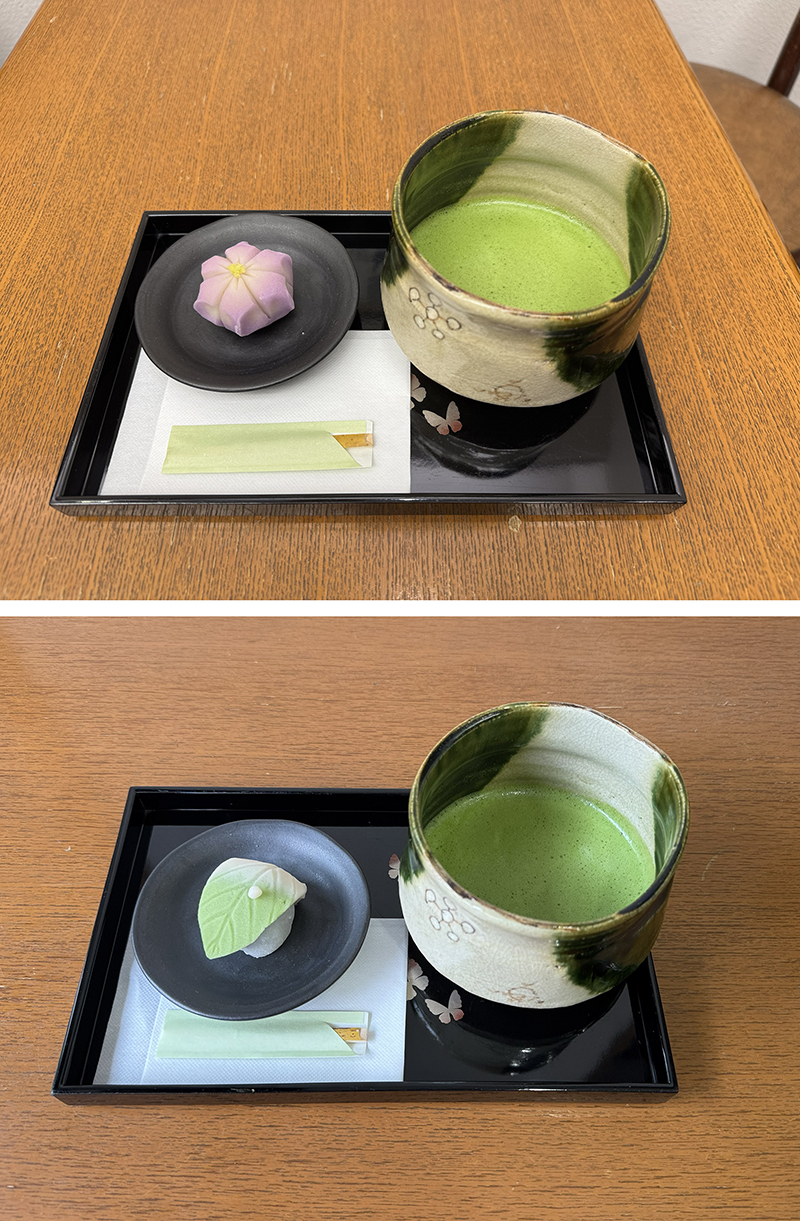
Its display cases are filled with colorful seasonal wagashi: cherry blossom-themed sweets in spring, hydrangea-inspired creations in early summer, and chrysanthemum motifs in autumn. Simply looking at them is enough to evoke the changing seasons.


The current owner represents the fourth generation of the family business. After spending more than 30 years making sweets and overseeing production as the factory manager, he chose to carry on the business in honor of the third-generation owner, who passed away at a young age, and the second-generation owner, who devoted many years to preserving the shop’s traditions.

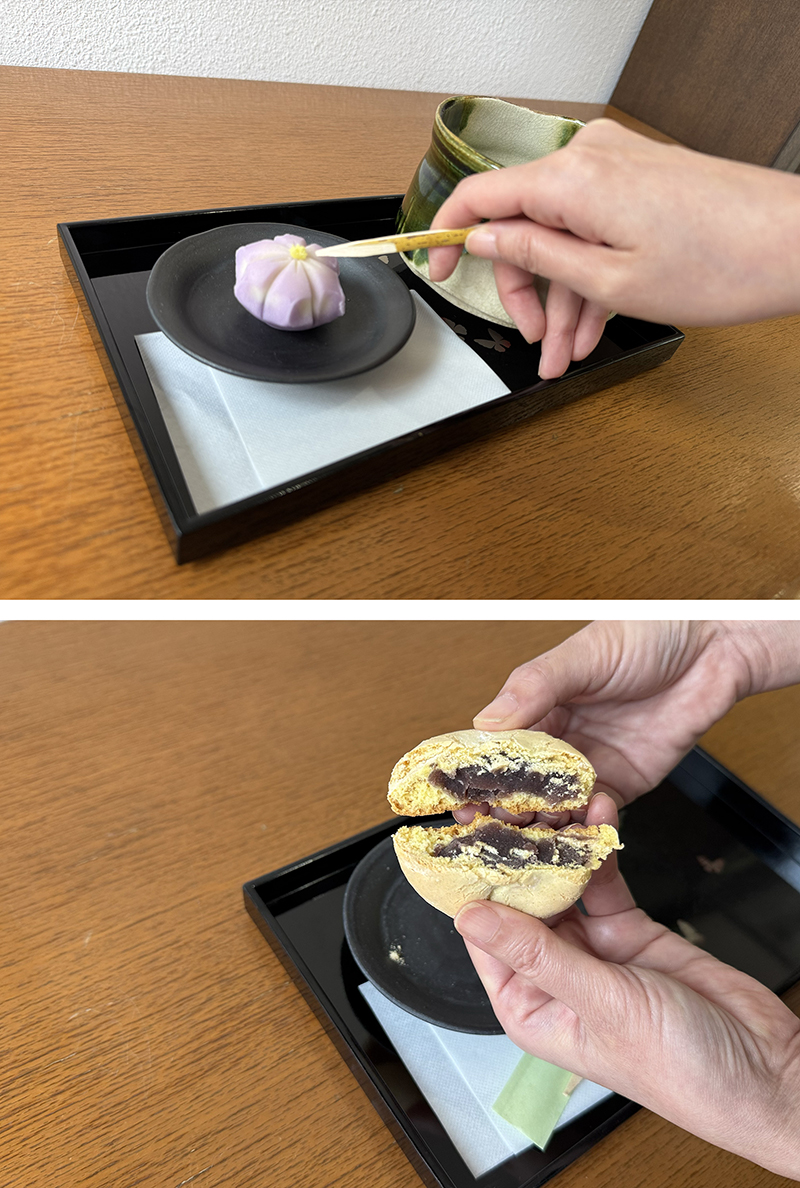
The secret to Akebono’s flavor lies in its homemade anko (sweet red bean paste). The recipe has remained largely unchanged since the shop was founded, with the goal of creating a sweetness that leaves customers wanting just one more bite.

One of the shop’s signature sweets is Akebono no Tsuru, named after the shop itself. This baked confection has been a favorite since the early days of the business, featuring sweet red bean paste wrapped in a lightly toasted white sesame dough that evokes a comforting sense of nostalgia.


The shop’s affection for the local community is reflected in the names of many of its sweets.
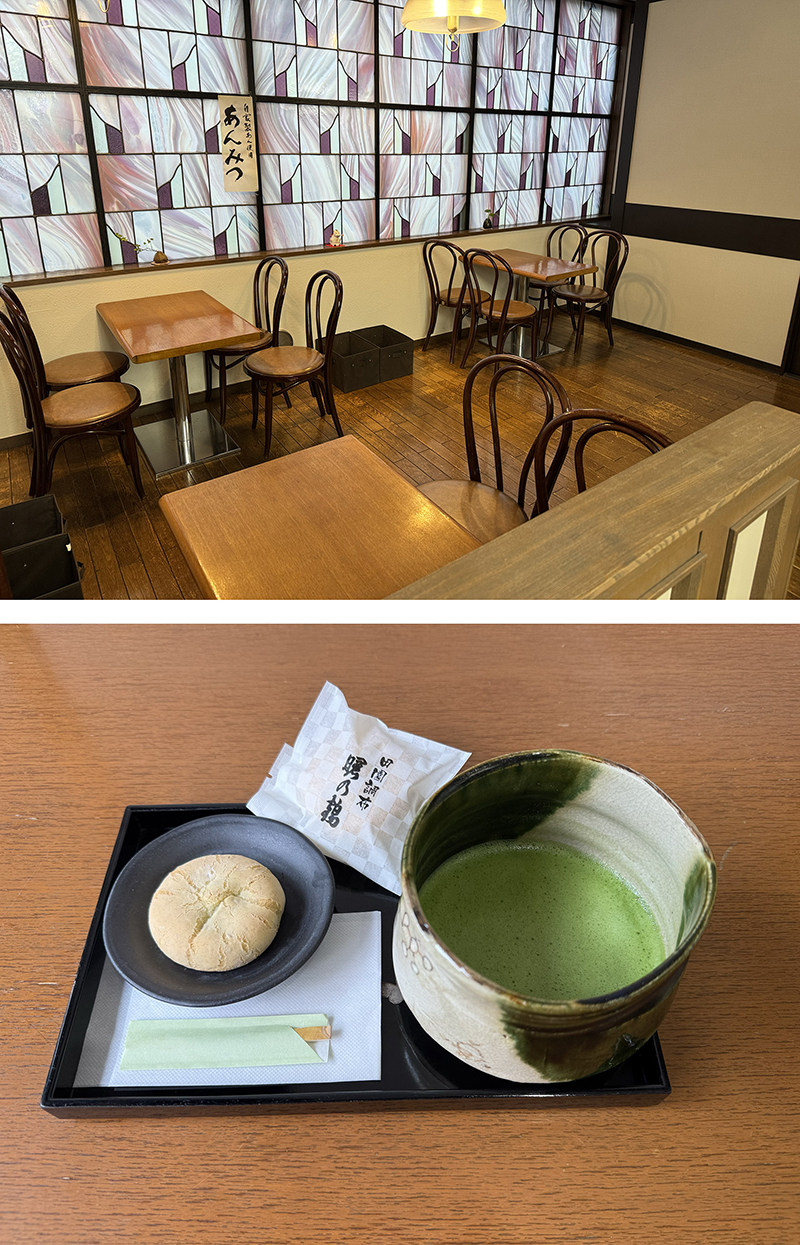
At the back of the shop is a cozy eat-in space where visitors can enjoy the sweets together with a bowl of matcha.


We decided to try some ourselves.

The sweets paired beautifully with the slightly bitter matcha, offering a welcome escape from the bustle of everyday life and a moment of quiet indulgence.


In recent years, more and more younger customers have been choosing Akebono’s sweets as souvenirs from Den-en-chofu.

For generations, the sweets of Den-en-chofu Akebono have remained a cherished part of the community’s memories.

Den-en-chofu Akebono
2-51-8 Den-en-chofu, Ota-ku, Tokyo
Hours: 9:00 a.m. - 6:30 p.m.
Closures: Sundays

Despite operating in different fields, these three businesses share a common philosophy: continuing to evolve while preserving what makes them who they are. Each has adapted to changing times while continually refining the unique value it offers.

As you encounter the craftsmanship, dedication, and traditions that have been passed down through the years, we hope you will discover new sides of Ota City and the people who have helped shape its history.

Ota City promotion website “Unique Ota” delivers information about the appeal of Ota City with the keywords “a town where you can encounter unique locations unlike anywhere else, which can only be found in Ota City.”

We encourage you to dig deep to find the contents you are interested in. Check back soon for the next edition!
【Related article】
[Special]Experience the Feeling of Traveling Abroad!Enjoy “World Cuisine” in Ota City
Sometimes you feel like trying something a little diffe…
[Special]A Beloved Local Classic Born in the Classroom Ota City School Lunches
January 24 to 30 marks National School Lunch Week in Ja…
[Special]Tokyo’s Hidden Hot Spring Neighborhood Exploring the Distinctive Public Baths of Ota City
Ota City, which has more public bathhouses than any oth…
[Special]Get Excited About Old Tools! Spark Children’s Curiosity Museum of Life in the Showa Era
Summer vacation is almost here! Have your elementary sc…
[Special]Healthy Treats in Ota City Gluten-Free Sweets
With the summer heat taking a toll on your appetite, yo…
[Special] Capturing Ota City’s Essence: A Journey with Film and Compact Digital Cameras - Haneda/Kojiya Edition
Film cameras and old compact digital cameras, dating ba…