CommunityHealHealth and sportsKamataRokugoSento

[Special]Tokyo’s Hidden Hot Spring Neighborhood Exploring the Distinctive Public Baths of Ota City

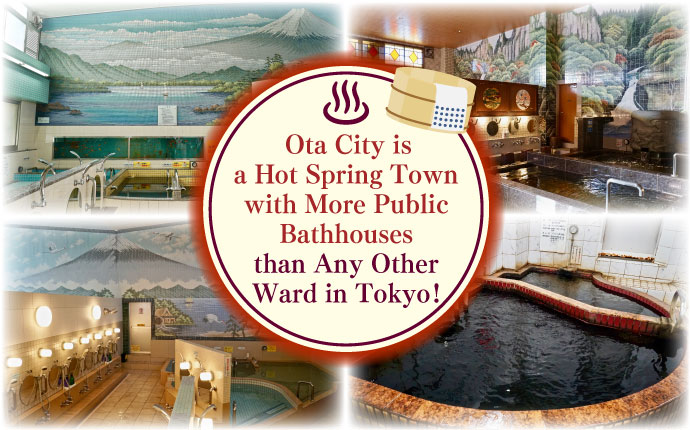
Ota City, which has more public bathhouses than any other area in Tokyo, can rightly be described as a hot spring neighborhood. Blessed with natural kuroyu hot springs that rise from deep underground, the city has maintained a lively and deeply rooted public bath culture that continues to thrive today.

Before private baths became standard in Japanese homes, public baths played an essential role in daily life. They were places where people washed away the day’s sweat and eased their fatigue after work. While lifestyles have changed, this tradition has been carefully passed down through generations and remains very much alive.

In this article, we visit three distinctive public baths in Ota City and explore what makes each of them special.

Eight Baths, One Destination

Nu Land Sagami-yu


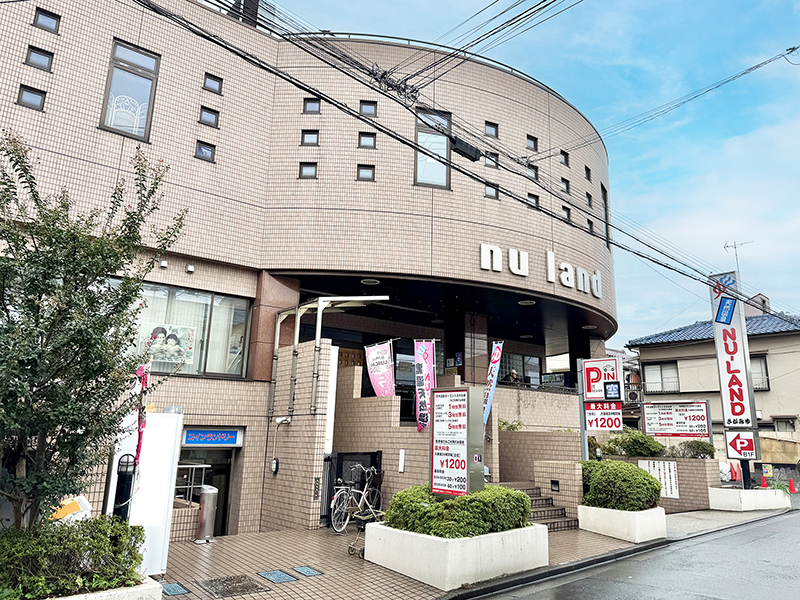
Our first stop is Nu Land Sagami-yu, a mini resort-style bathhouse where visitors can fully appreciate the unique qualities of kuroyu hot springs.


The facility’s origins date back to the postwar years, when the grandfather of the current owner, Mr. Rikiishi opened a small diner on the site.

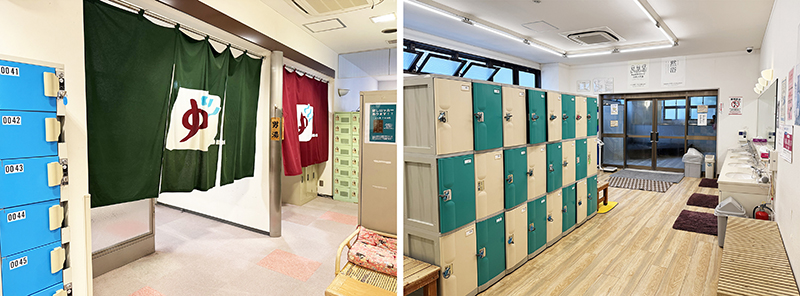
During the Showa era, it evolved into a beloved neighborhood place for relaxation. About 30 years ago, the building was completely reconstructed and renovated, transforming it into a spacious, modern facility designed to welcome families as well as solo bathers.
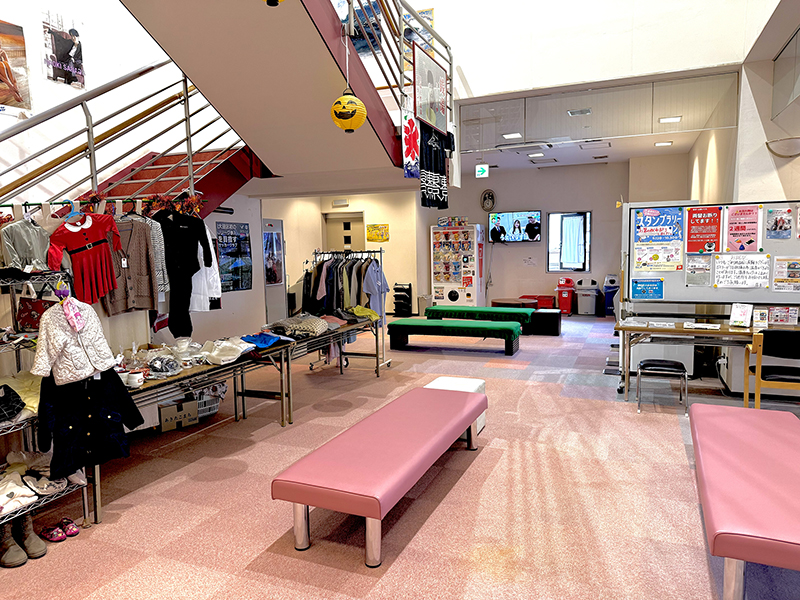


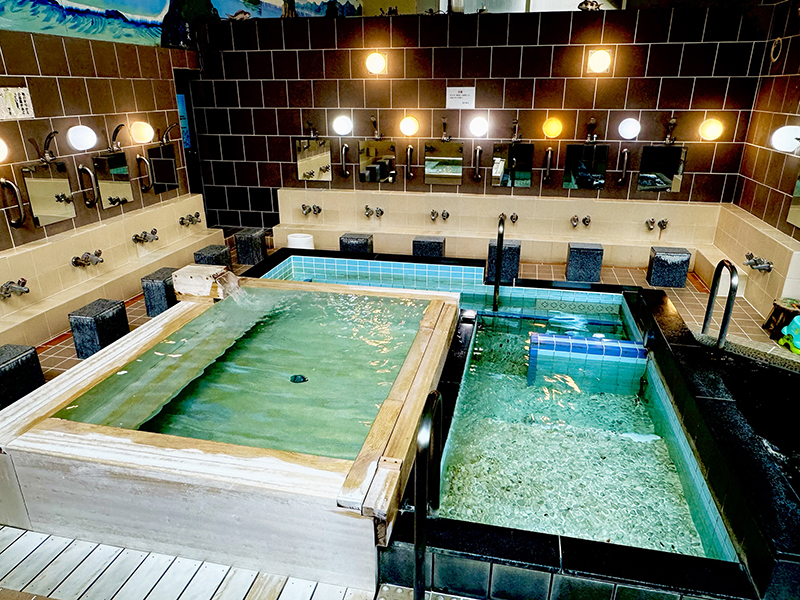
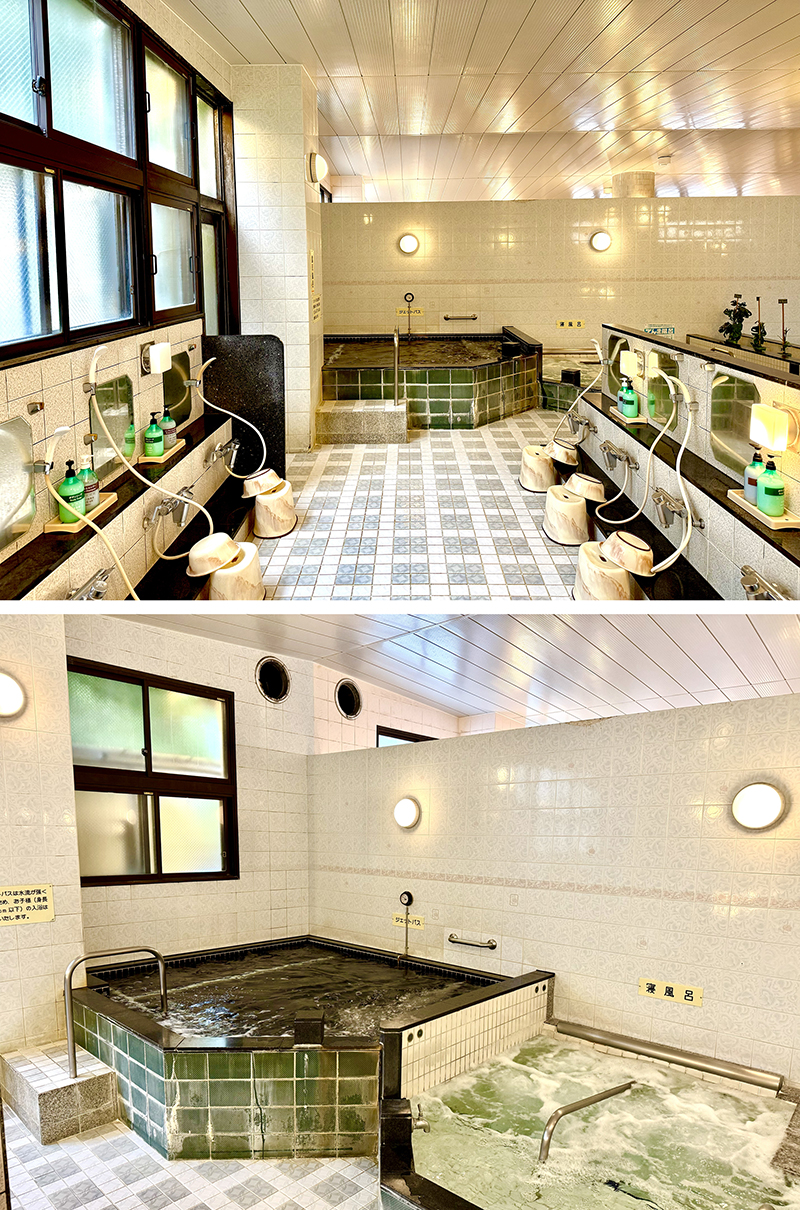
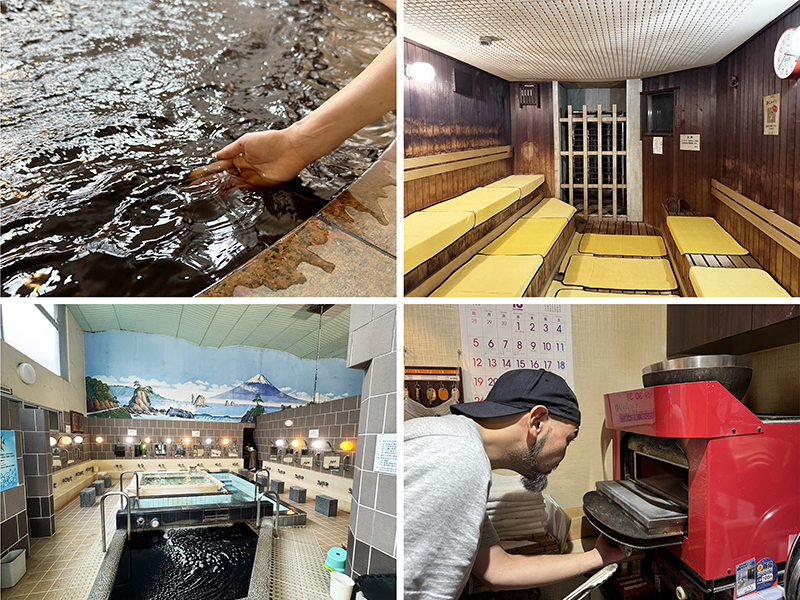
Its greatest appeal lies in its variety: eight different types of baths, including the popular Kuroyu Onsen Oburo .

Kuroyu—literally “black water”—is instantly recognizable by its deep brown, cola-like color. This natural hot spring water is formed over long periods of time as groundwater reacts with organic matter such as ancient seaweed and plant material buried deep underground.
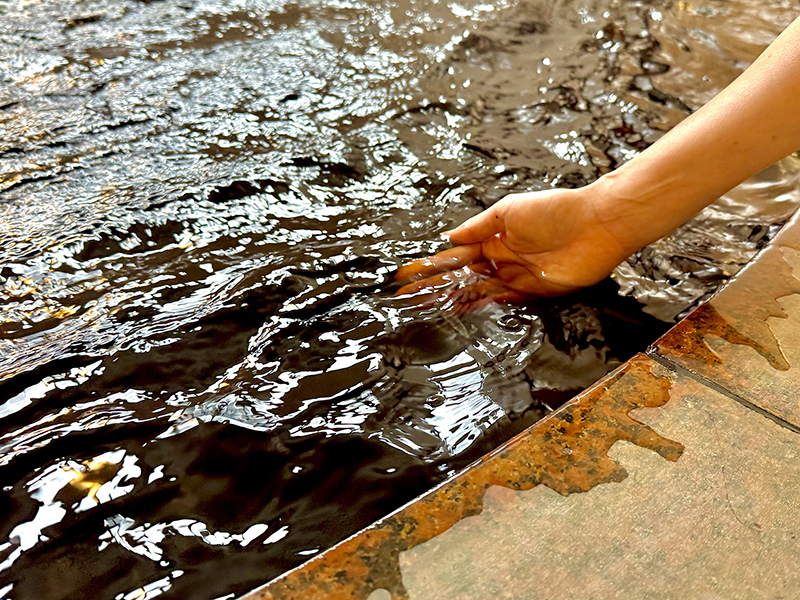


Ota City sits atop geological layers that were once part of the seabed and are rich in organic matter. As a result, mineral-laden black hot spring water emerges from depths of 100 to 150 meters. Known for its excellent moisturizing properties, kuroyu feels smooth and silky on the skin, and after bathing, you’ll feel pleasantly warmed all the way to your core.
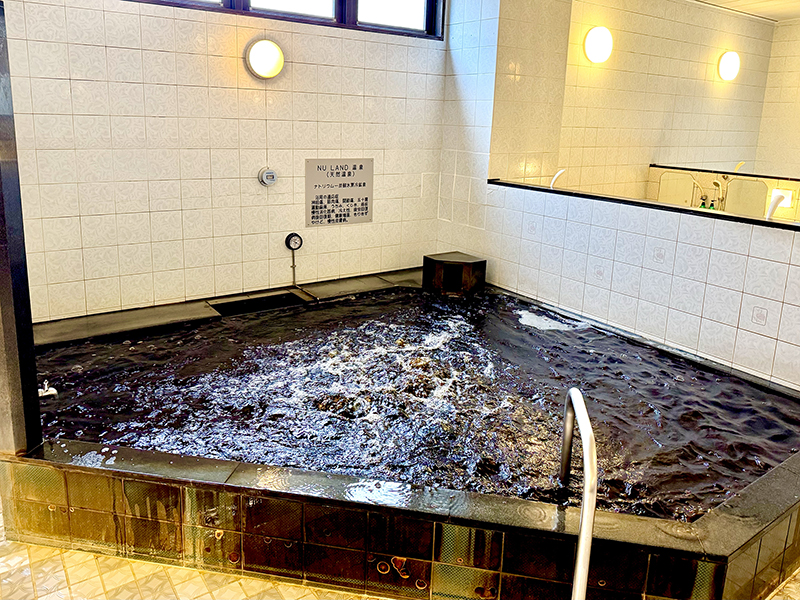

Their signature attraction, the Kuroyu Onsen Oburo.
In addition to its signature baths, the facility offers an open-air bath, sauna, cold plunge, electric bath, jet bath, and a micro bubble bath designed to provide gentle massage effects.
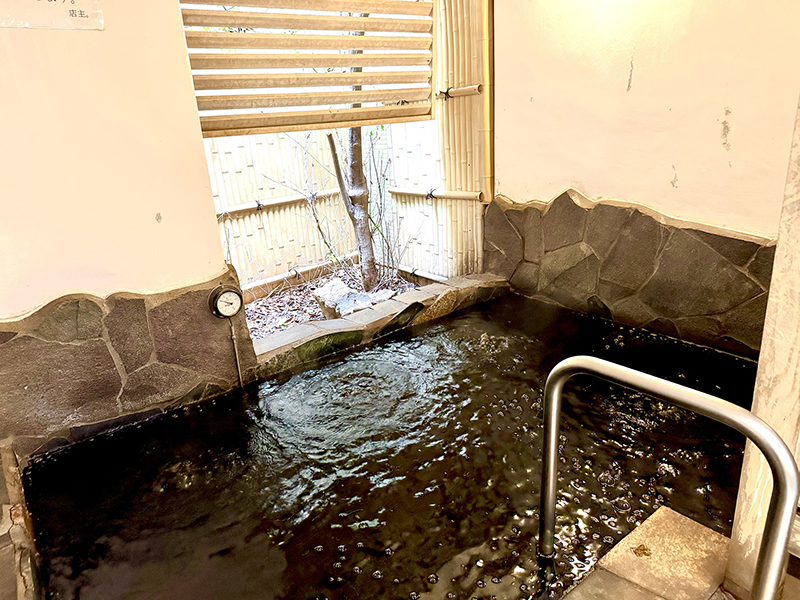

Relax and unwind in the open-air bath while enjoying the fresh outdoor breeze.
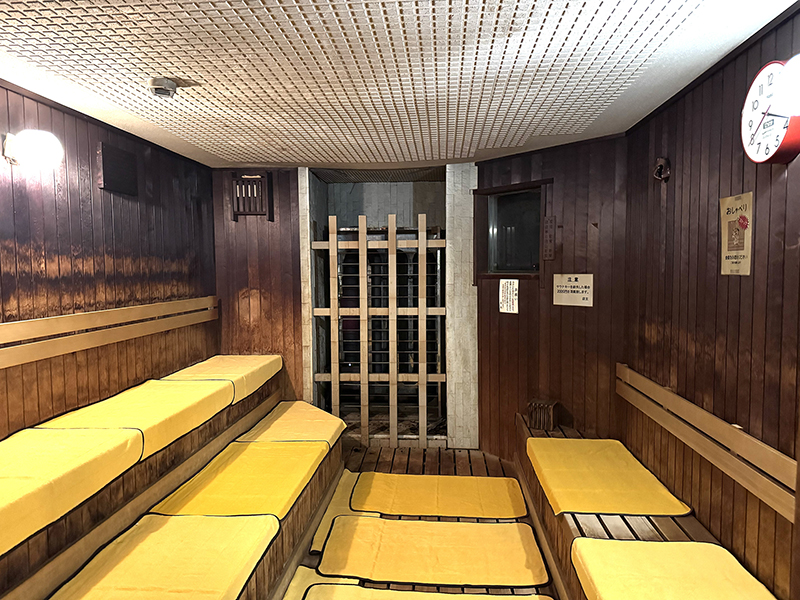
The sauna is also a guest favorite (available for an additional fee).
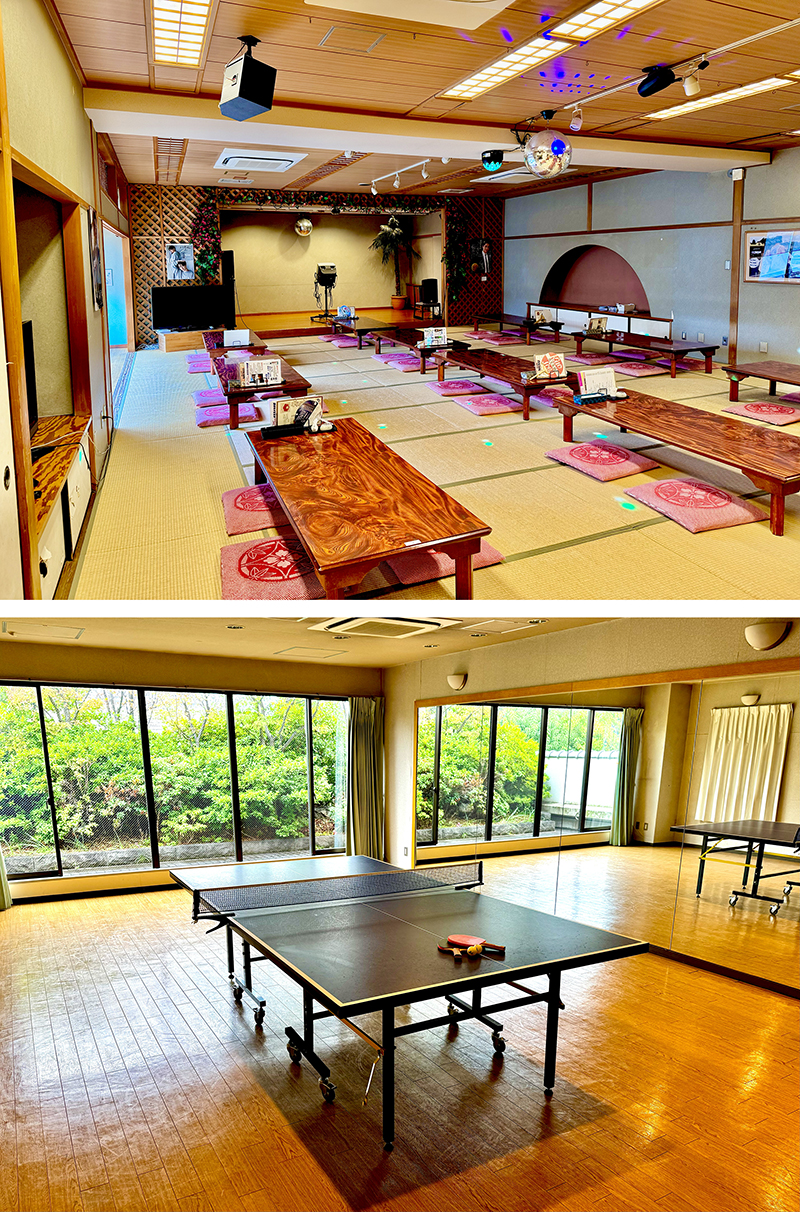
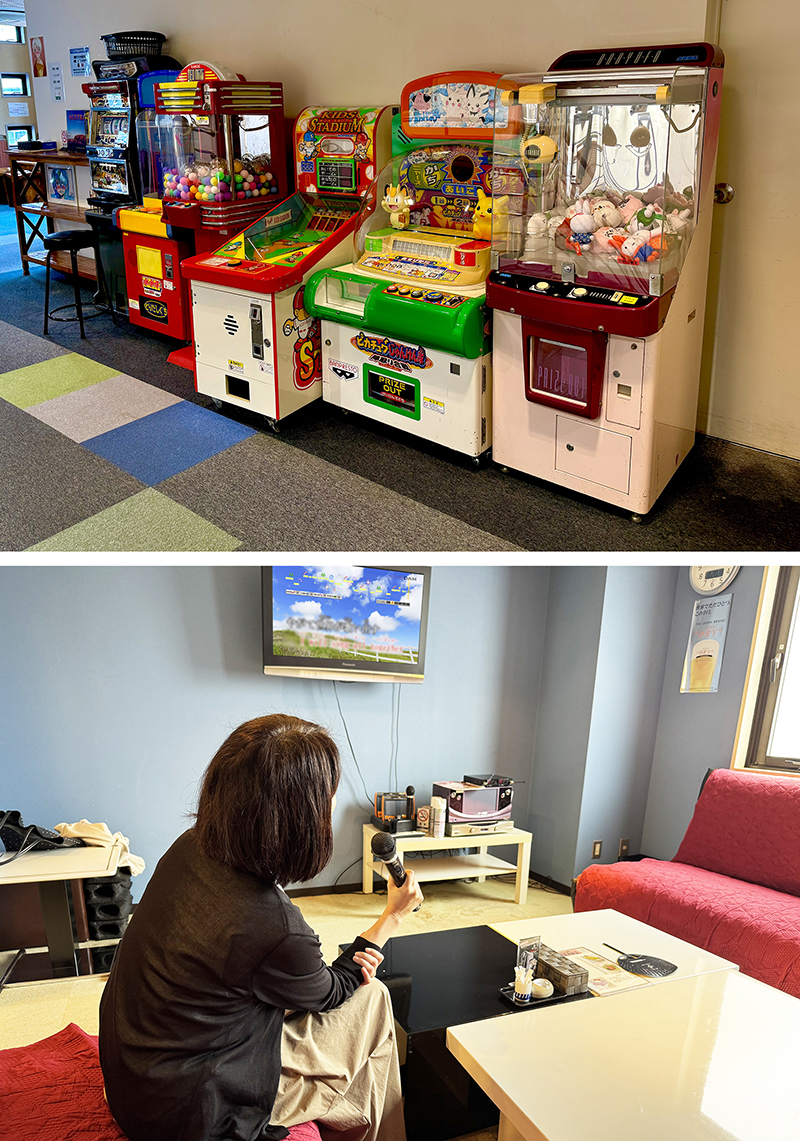
Beyond bathing, there are plenty of spaces to relax and have fun. Guests can enjoy a restaurant, rental studio, game corner, and even a karaoke room. When the rental studio is not reserved, it can be used for table tennis. On weekends, the bathhouse comes alive with families, and it’s common to see people enjoying a meal before or after their soak.


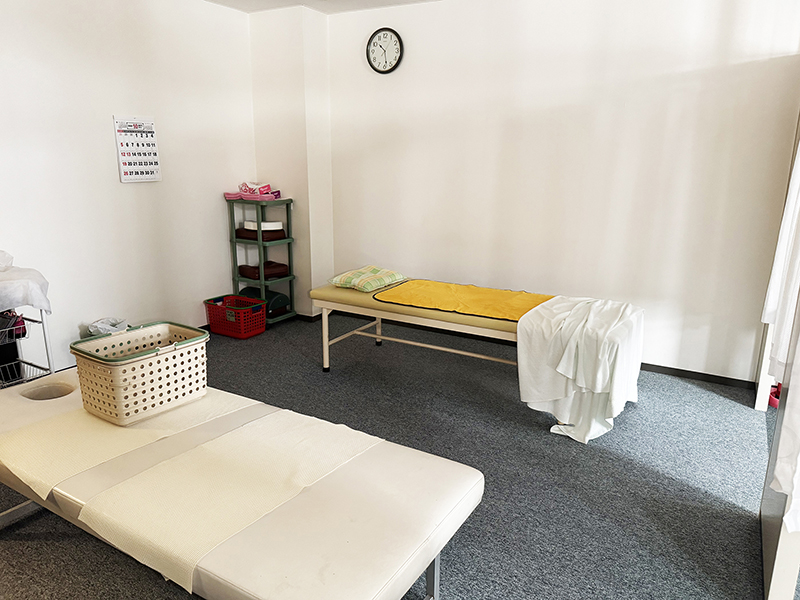
The spa is also partnered with a nearby massage clinic, allowing guests to book a massage for an additional fee after bathing—another popular way to unwind.


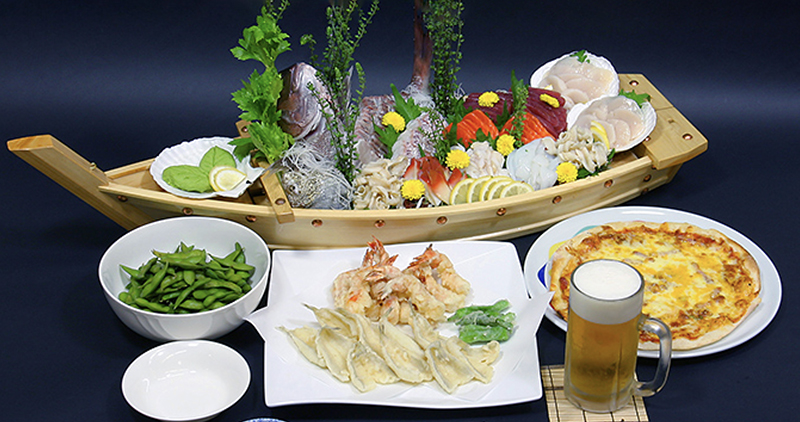
One particularly unique offering is its collaboration with local fishing boats.
Anglers are picked up by a private bus, head out to sea, and have their freshly caught horse mackerel or black porgy prepared while they relax in the baths. Enjoying a meal made from fish caught just hours earlier, immediately after bathing, is a luxurious experience that has been growing in popularity.


“Public baths relieve fatigue in a completely different way from bathing at home,” says Mr. Rikiishi. “Recently, they’ve been attracting more attention from younger generations. In the evenings, we see more men coming for the sauna, as well as groups of young women. It’s wonderful to see people rediscovering the appeal of public baths.”

Nu Land Sagami-yu is a place where visitors of all ages can relax in their own way—a small hot spring resort quietly woven into the fabric of everyday life.
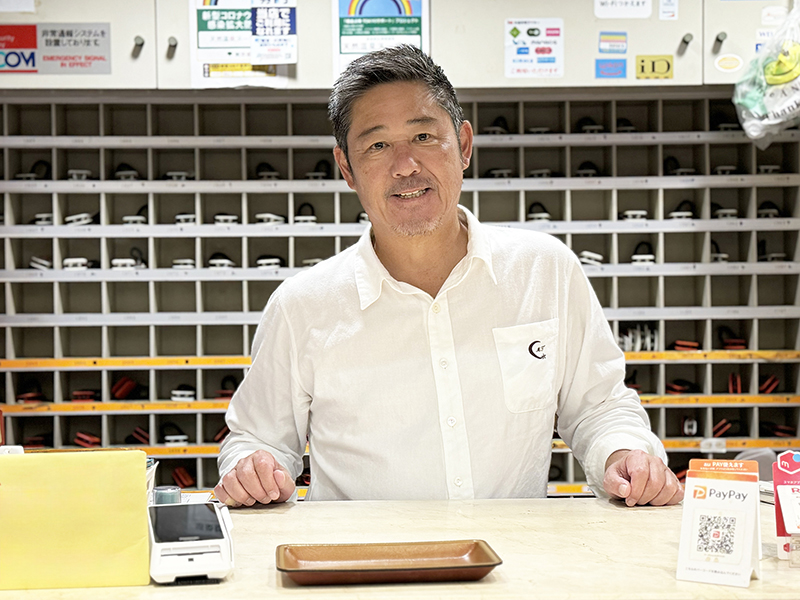

Mr. Minoru Rikiishi, third-generation owner and operator.
Nu Land Sagami-yu
Address: 2-7-5 Nakarokugo, Ota-ku
Access: A 3-minute walk from Zoshiki Station on the Keikyu Line
Hours: 10:00 a.m. - 11:00 p.m. (open daily, *Tuesdays: Bathing facilities only)

Admission Fees
Adults: 1,250 yen (weekdays) / 1,550 yen (Saturdays, Sundays, and national holidays)
Children (ages 4 through 6th grade): 600 yen *Discounts are available during designated hours and special promotions.

Bath & Sauna Options
Empty-Handed Set (bath admission + towel): 700 yen
Sauna Set (bath admission + sauna + towel): 850 yen

A Perfect Post-Bath Treat: Authentic Pizza

Kamata-Fukuno-Yu

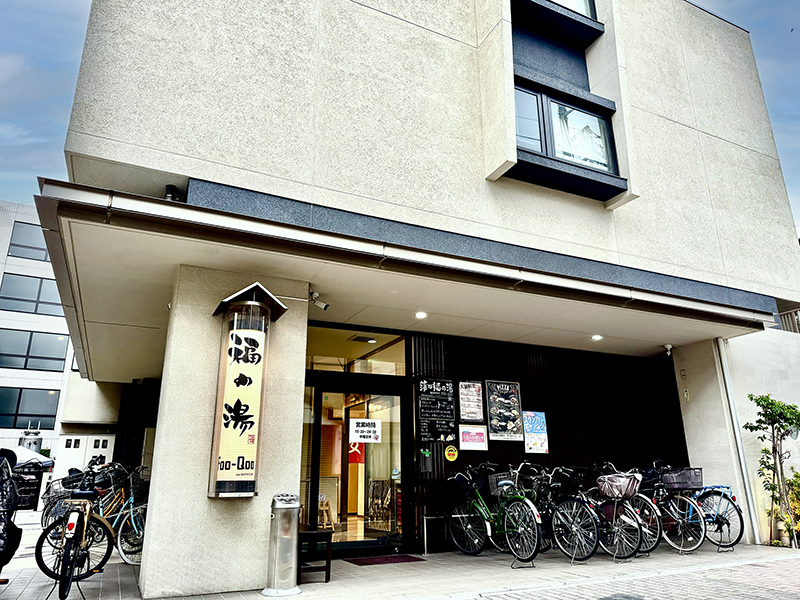
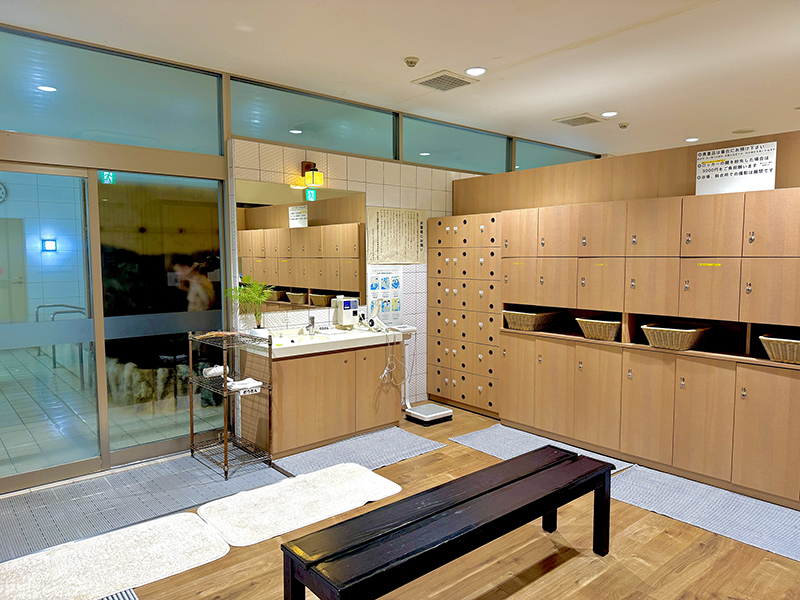
Kamata-Fukuno-Yu is a long-established neighborhood bathhouse founded in 1949 and thoughtfully rebuilt in 2016 with a clean, modern Japanese aesthetic.


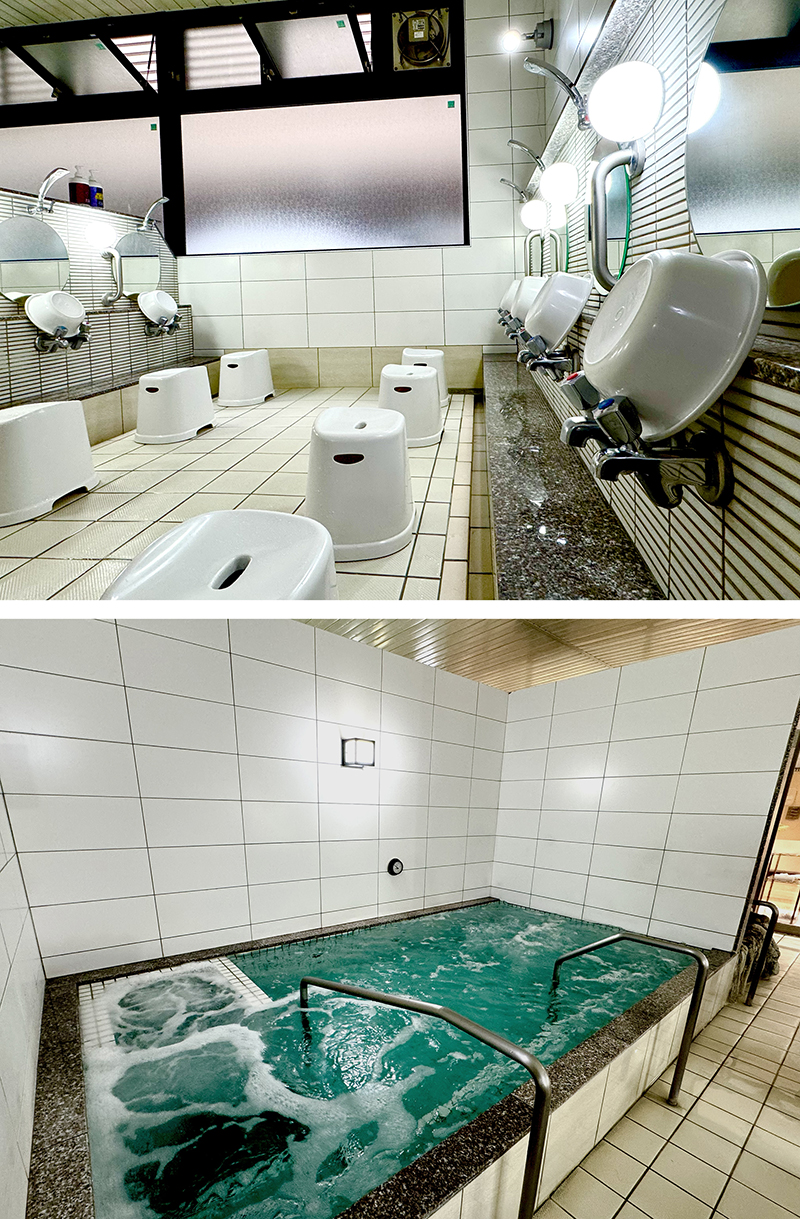
While many public baths in Ota City are known for their distinctive kuroyu hot springs, Kamata-Fukuno-Yu takes a different approach, using clear water instead. The bright, open bathing area creates a relaxed and comfortable atmosphere.


Although the bathhouse once closed its doors, it was revived when the current owner’s mother—the third-generation proprietor—decided to reopen it after hearing from local residents who longed for its return.
“We only meet in the bath, but we know each other.” It’s a bathhouse deeply rooted in the community, where this kind of quiet human connection continues to flourish.


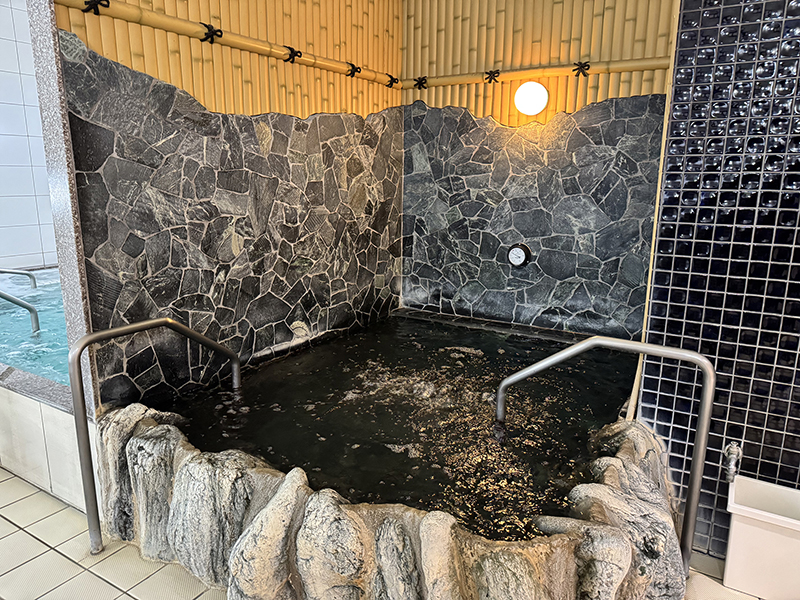
The baths are offered at two temperatures: a hot bath at approximately 42-43℃ and a lukewarm bath at around 38-39℃. The rock bath is especially popular for its immersive atmosphere. With the gentle sounds of birdsong and rustling breezes, it creates a calming, nature-inspired experience.


The rock bath combines light, sound, and airflow to evoke the feeling of an open-air bath.
What truly sets Kamata-Fukuno-Yu apart, however, is its authentic pizza served on weekends.
*Available Saturdays, Sundays, and national holidays from 5:00 p.m. to 9:00 p.m. (or until the dough runs out).

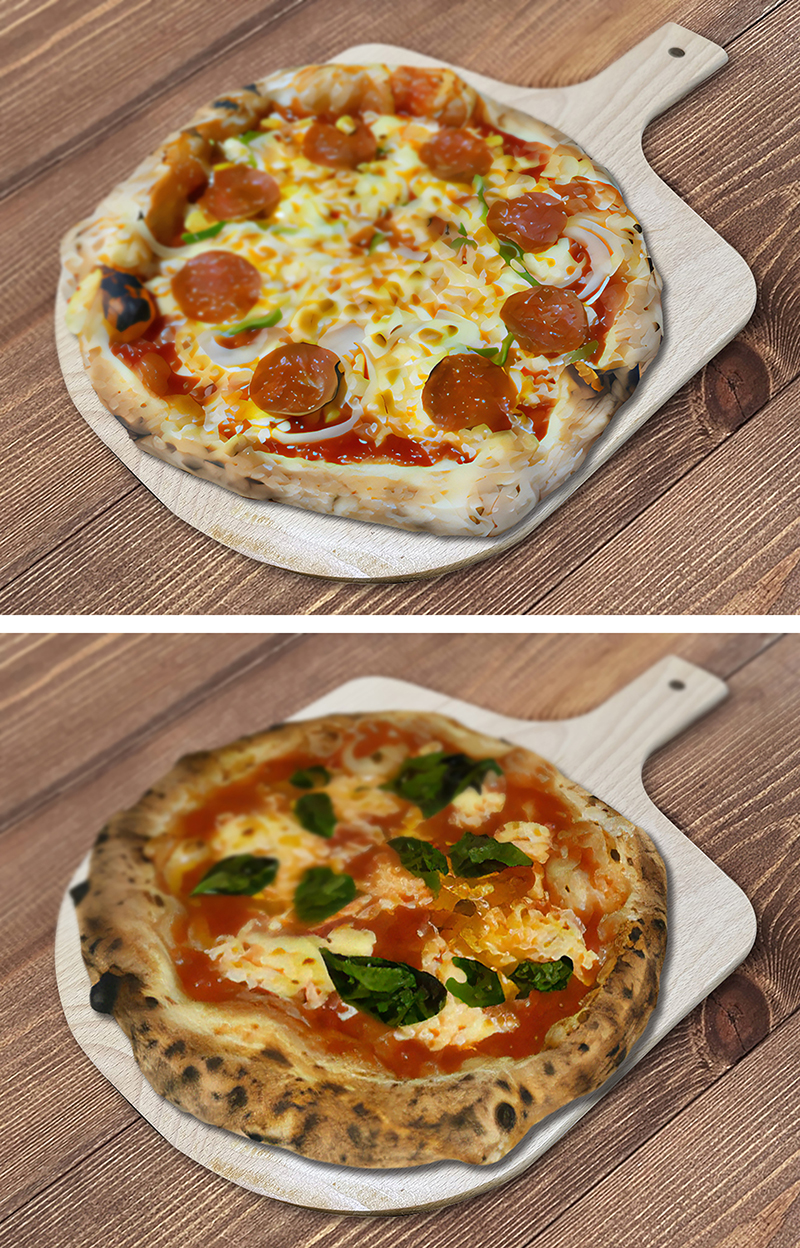
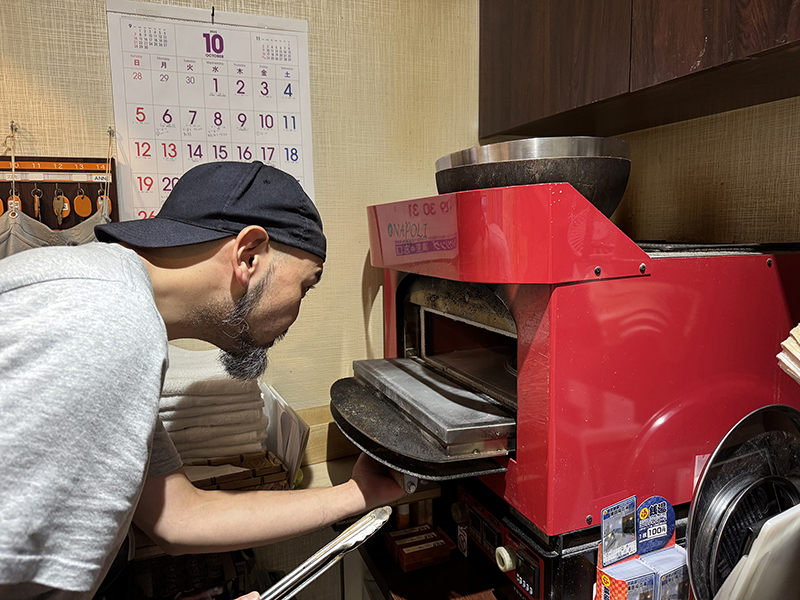
The current owner, Mr. Okazaki, is an avid pizza enthusiast who fulfilled his dream of opening a small pizzeria within the bathhouse itself. Using homemade dough, he bakes around six varieties, including classics like Margherita and Americana. Takeout is also available.


From top to bottom: Mixed Pizza (Small 600 yen / Large 1,200 yen) and Margherita (Small 650 yen / Large 1,300 yen). Takeout incurs an additional ¥50 for small pizzas and ¥100 for large.
“Some people come just for the pizza,” Mr. Okazaki laughs. Locals have even nicknamed it the “pizza bathhouse.”


The bathhouse opens in the afternoon and stays open late into the night, closing at 00:30 a.m., followed by about two hours of cleaning and preparation for the next day.

“Cleaning at night is hard work, but I enjoy the quiet time,” says Mr. Okazaki. Together with his mother, the third-generation owner, he continues to provide a place of relaxation and comfort for the neighborhood.


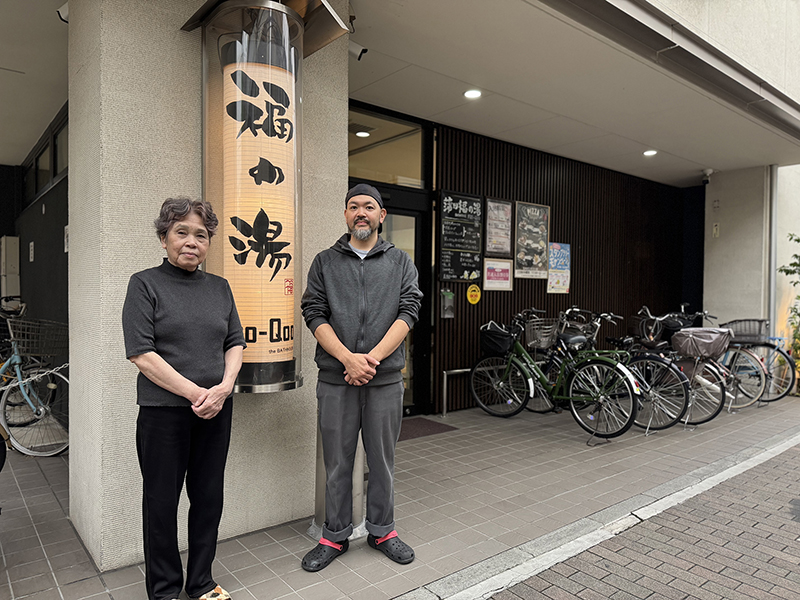
Third-generation owner Ms. Keiko Okazaki and fourth-generation owner Mr. Kenji Okazaki.
Kamata-Fukuno-Yu
Address: 1-12-15 Kamata, Ota-ku
A 12-minute walk from Kamata Station on the JR Keihin Tohoku Line
Hours: 3:30 p.m. - 00:30 a.m., Closed on Thursdays

Bath Fees
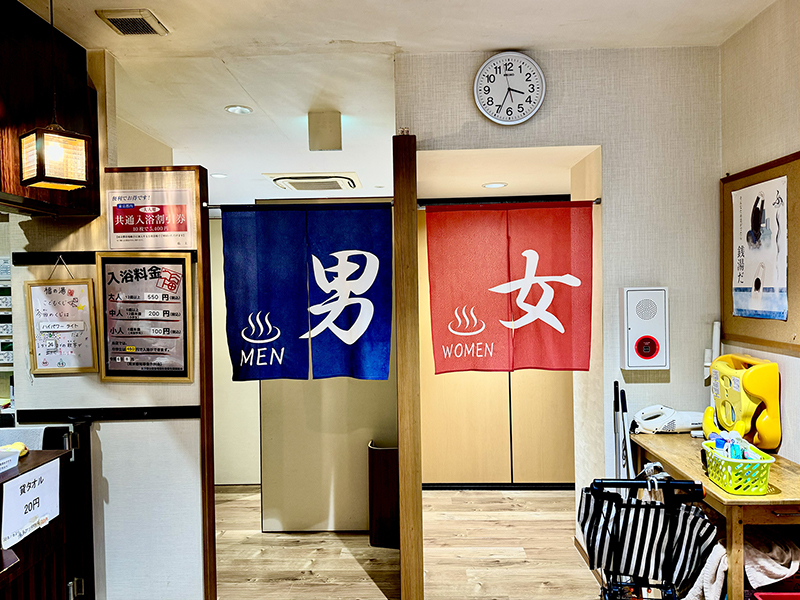
Adults (12 and over): 550 yen
Children (ages 6-12): 200 yen
Children (under 6): 100 yen

Step Back into the Showa Era

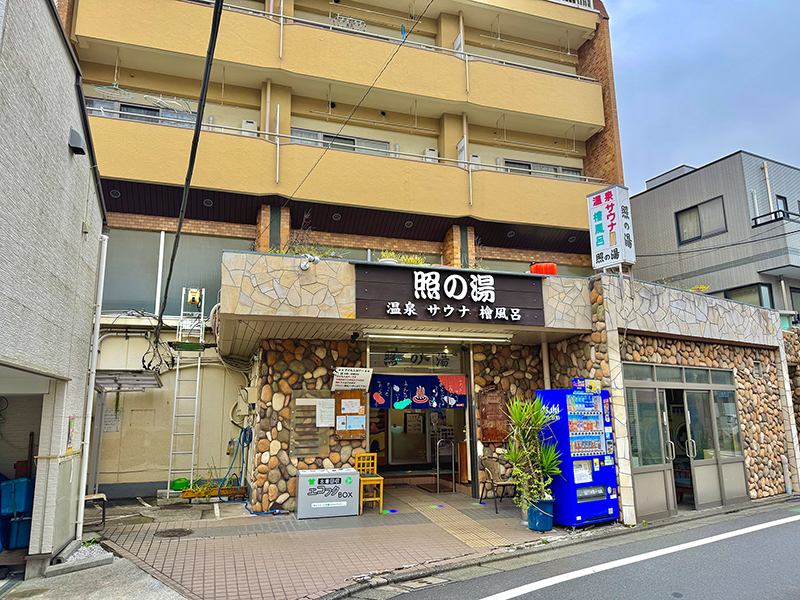
Teruno-yu

Founded in 1956, Teruno-yu is a long-established neighborhood bathhouse now operated by its third-generation owner.


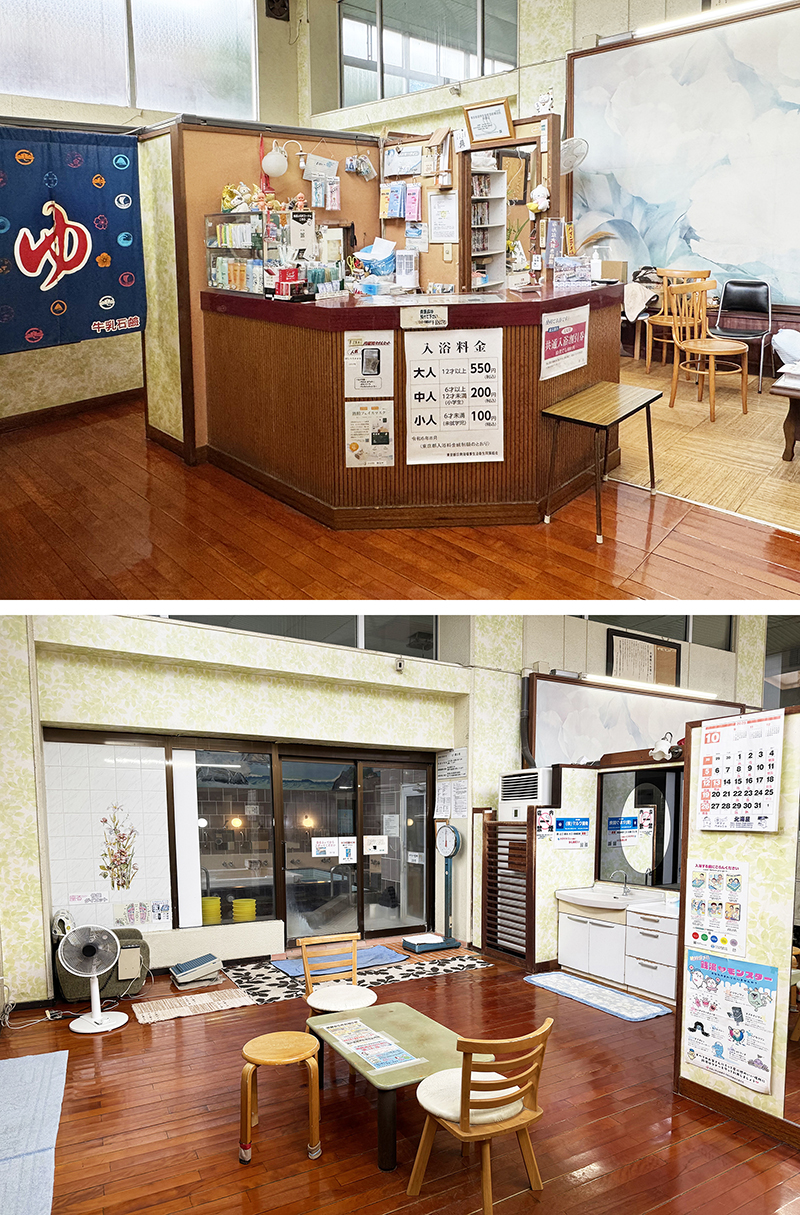
From the moment you enter, it is filled with the warmth and charm of the Showa era.
Step inside, and you’re instantly transported to a nostalgic world. The retro lobby and reception desk set the tone, creating a relaxed atmosphere that feels like a journey back in time.


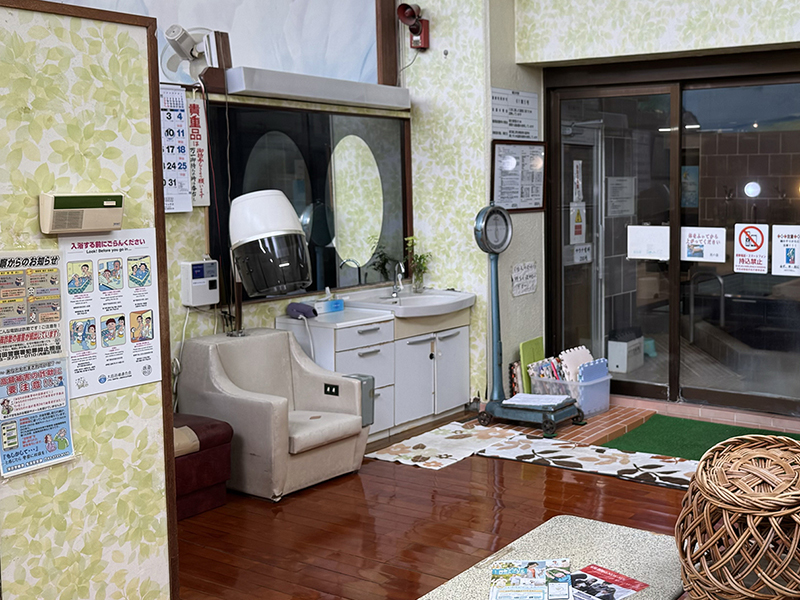
In the changing room, vintage fixtures still in use—such as coin-operated hair dryers (in the women’s area) and classic weighing scales—offer a glimpse into traditional bathhouse culture.


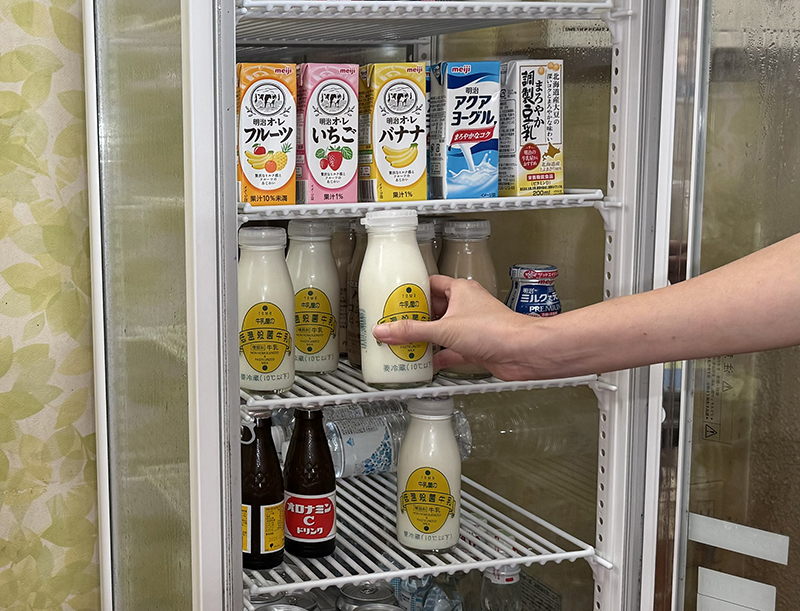
And of course, no visit would be complete without enjoying a bottle of milk after your bath, a beloved custom that lives on here.


Teruno-yu’s signature feature is its ancient cypress bath. The gentle scent and smooth texture of cypress wood create a deeply calming experience that soothes both body and mind.


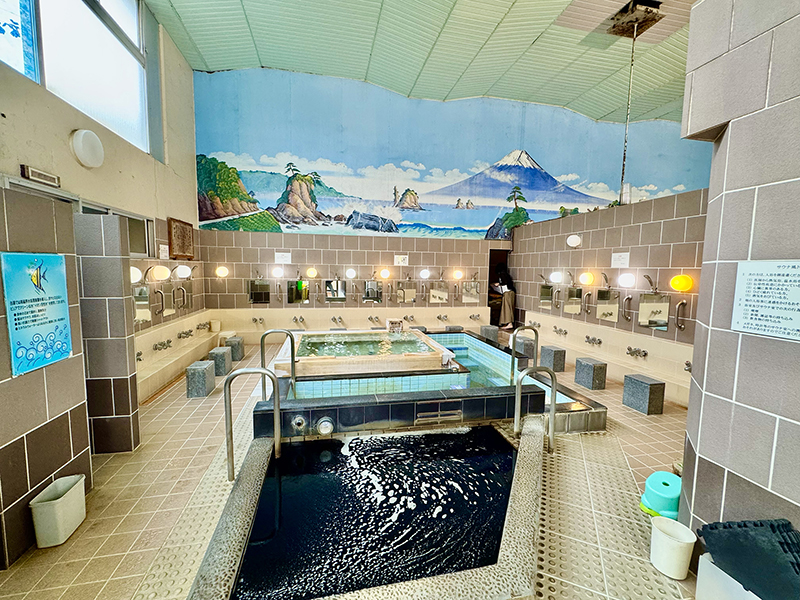
Another distinctive detail is the placement of the bathtubs, which sit unusually in the center of the bathing area. This thoughtful design was intended to prevent bathers’ gazes from crossing too directly—a reflection of the previous owner’s wish to create a space that “never feels awkward.”


The bathhouse features a striking traditional mural of Mt. Fuji, a classic element of Japanese public baths. In the foreground lies the kuroyu bath.
The kuroyu hot spring water is drawn directly from the source and blended with cold water to adjust the bathing temperature according to the season.

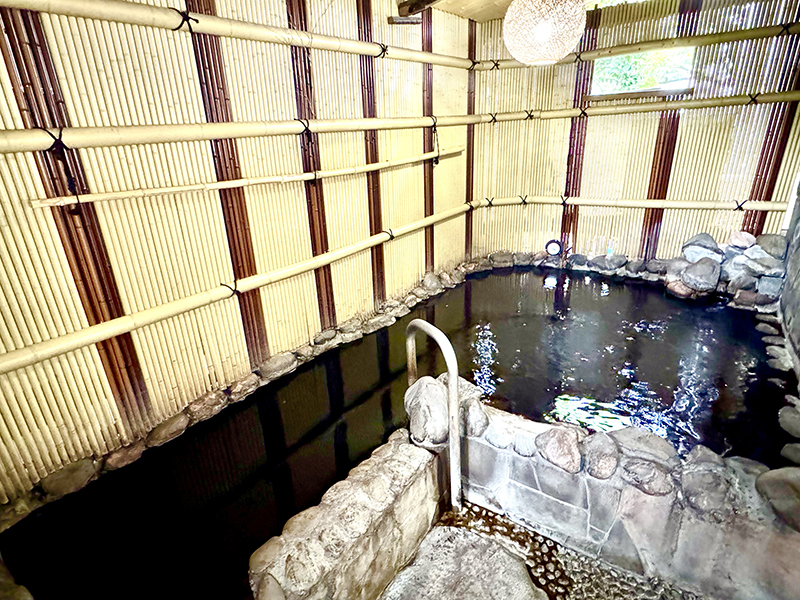
A small open-air bath, added during renovations about 20 years ago, allows guests to soak in the kuroyu while enjoying the sensation of fresh air.


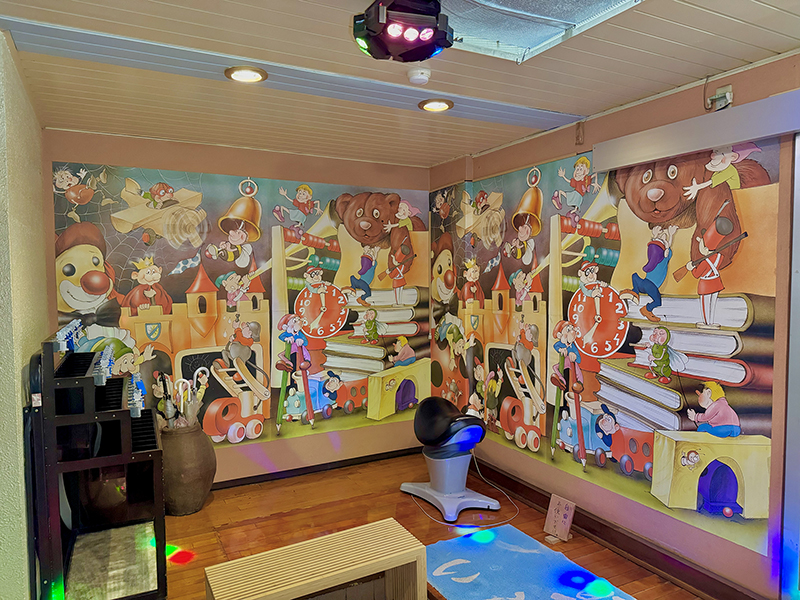
Another highlight is the whimsical wallpaper at the entrance, which has become a symbolic feature of Teruno-yu. This playful design was also conceived by the previous owner, inspired by the idea of “creating a place children could enjoy.”


“Ever since I was a child, I bathed at public baths rather than at home,” says third-generation owner Mr. Maeda. “Public baths were my playground, and I often came here with friends. My father, who shaped Teruno-yu into what it is today, still bathes here every day—even after retirement.”

Come experience the nostalgic yet quietly innovative comfort of Teruno-yu, where the warmth of black hot spring water, the scent of cypress, and painted art come together in perfect harmony.


Teruno-yu, third-generation owner Mr. Daisuke Maeda .
Teruno-yu
Address: 3-23-6 Nakarokugo, Ota-ku
Access: A 5-minute walk from Zoshiki Station on the Keikyu Line
Hours: 3:00 p.m. - 10:00 p.m. on weekdays, 10:00 a.m. - 10:00 p.m. on Saturdays, Sundays, and national holidays (Closed on Wednesdays and Thursdays)

Bath Fees
Adults (12 and over): 550 yen
Children (ages 6-12): 200 yen
Children (under 6): 100 yen
*Sauna available for an additional fee.

Ota City’s public baths offer distinctive experiences that turn everyday routines into something special. As interest in public bath culture continues to grow once again, why not take a leisurely stroll through Ota City’s very own “hidden hot spring neighborhood” this weekend?

There are many more attractive places in Ota City. Try finding your own place that you can recommend Ota City for. If you find your favorite, please make sure to post on SNS. Don’t forget to use the hashtag #uniqueota!

Ota City promotion website “Unique Ota” delivers information about the appeal of Ota City with the keywords “a town where you can encounter unique locations unlike anywhere else, which can only be found in Ota City.”

We encourage you to dig deep to find the contents you are interested in. Check back soon for the next edition!
【Related article】
[Special]Get Excited About Old Tools! Spark Children’s Curiosity Museum of Life in the Showa Era
Summer vacation is almost here! Have your elementary sc…
[Special]Exciting Adventures in Heiwajima! A Playground the Whole Family Can Enjoy
「Tondemi Heiwajima is an indoor athletic facility locat…
[Special] Exploring the Charms of Ota City’s Public Bathhouses with Saunas: A Guide to Maintaining Wellness
In the midst of an unparalleled sauna boom, Ota City st…
[Special] Experience the Unusual: Camping in the Heart of the City Exploring Campgrounds in Ota City
Camping has become an increasingly popular trend, with …
[Special] Ota City is a Hot Spring Town with More Public Bathhouses than Any Other Ward in Tokyo!
 Ota City boasts more public bathhouses than any o…
Have a Great Time Playing and Watching Sports at Shin Sports Kenko Zone (New Sports and Health Area) It’s Quick and Easy!
Did you know that the area with Omori Furusato-no-Hamab…