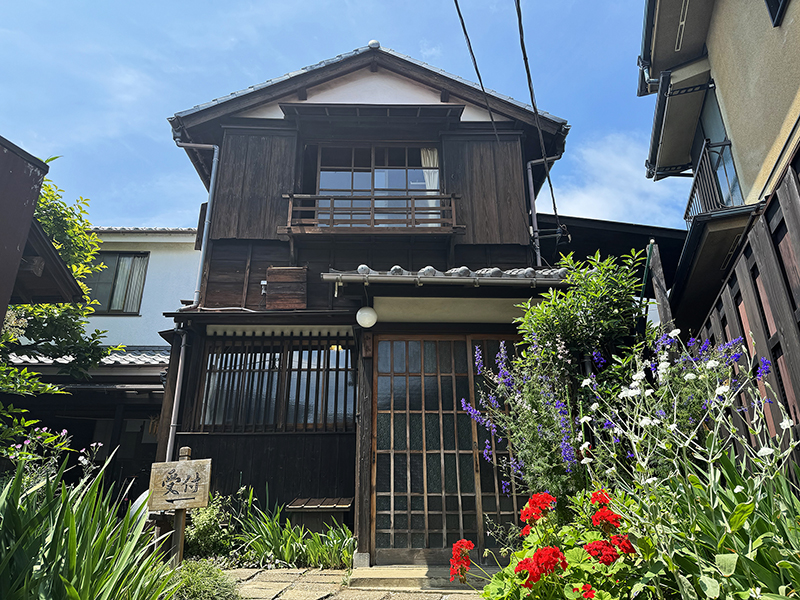
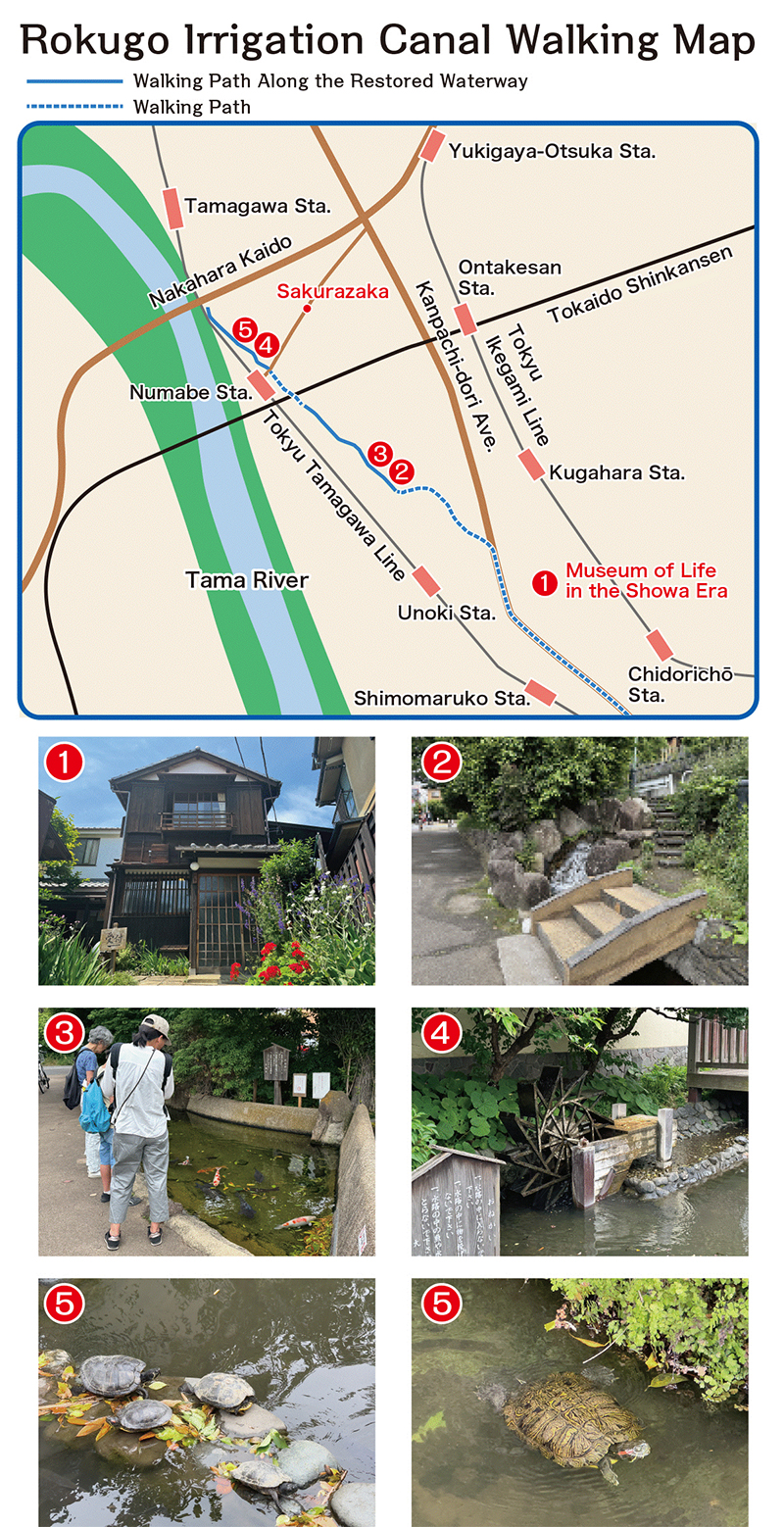
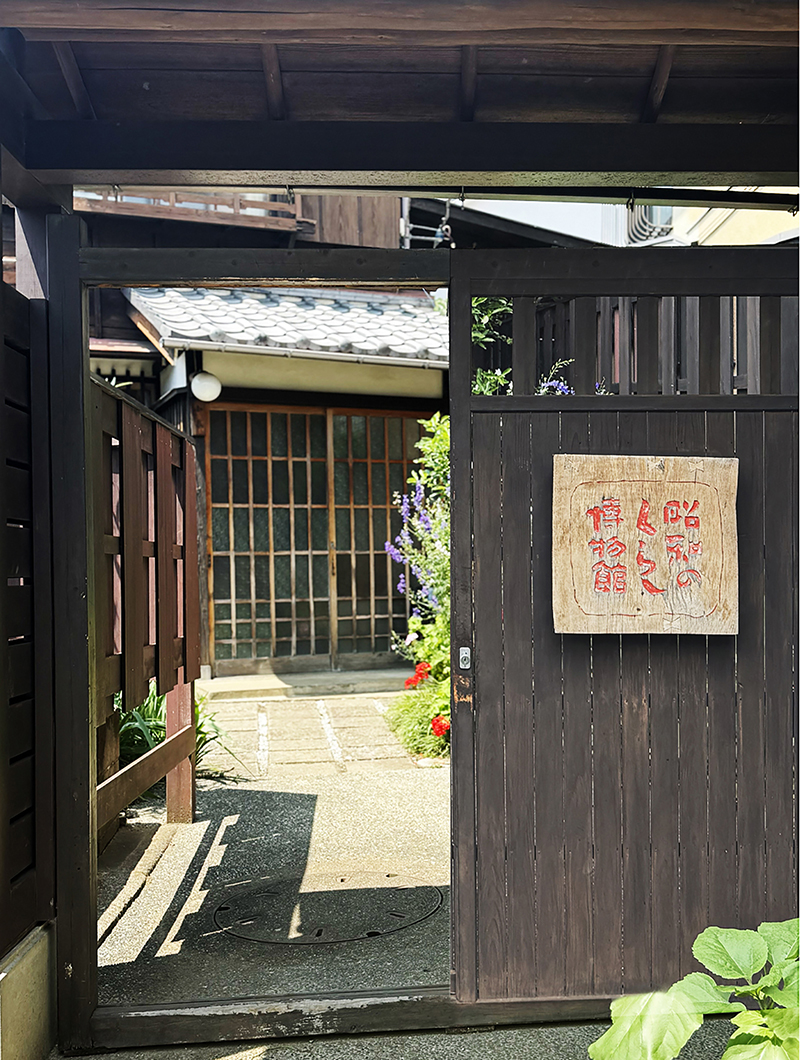
A warm wooden sign marks the museum’s entrance, tucked into a quiet corner of the residential neighborhood.
Step inside and take a journey back to life in the Showa era!
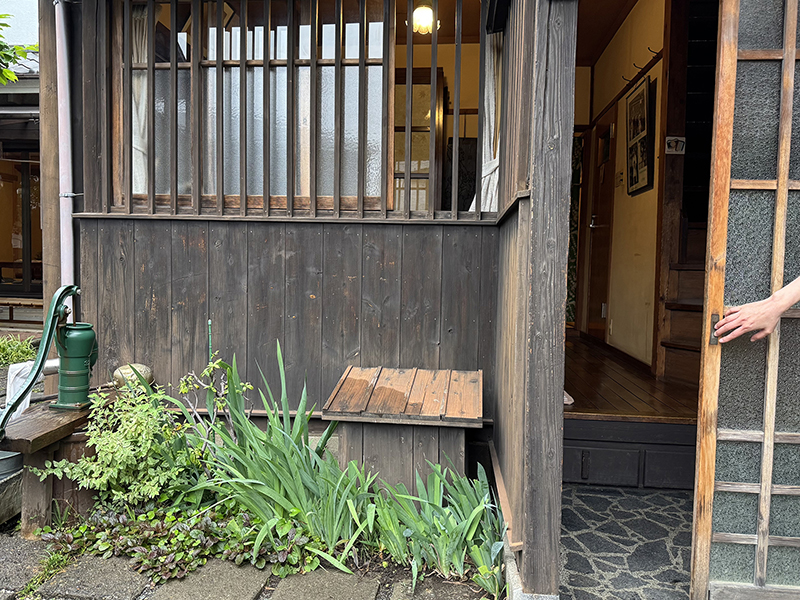 ■ Study/Reception Room
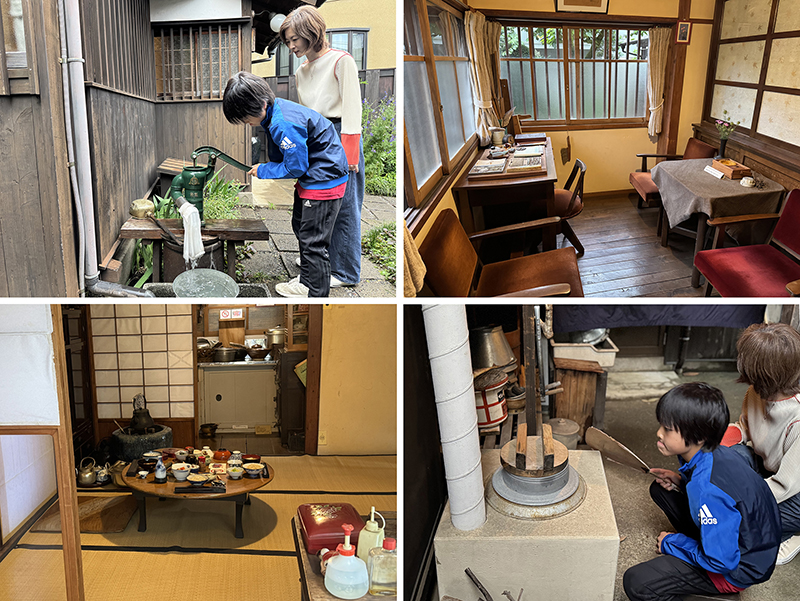
Just inside the entrance is the study, which also served as the reception room. Here, you can see how the father, an architectural engineer, made the most of the house’s compact layout.
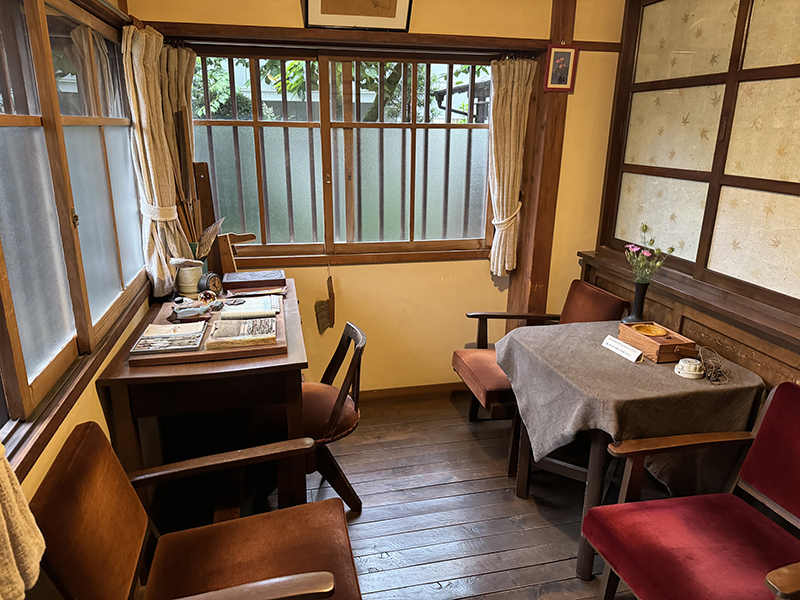
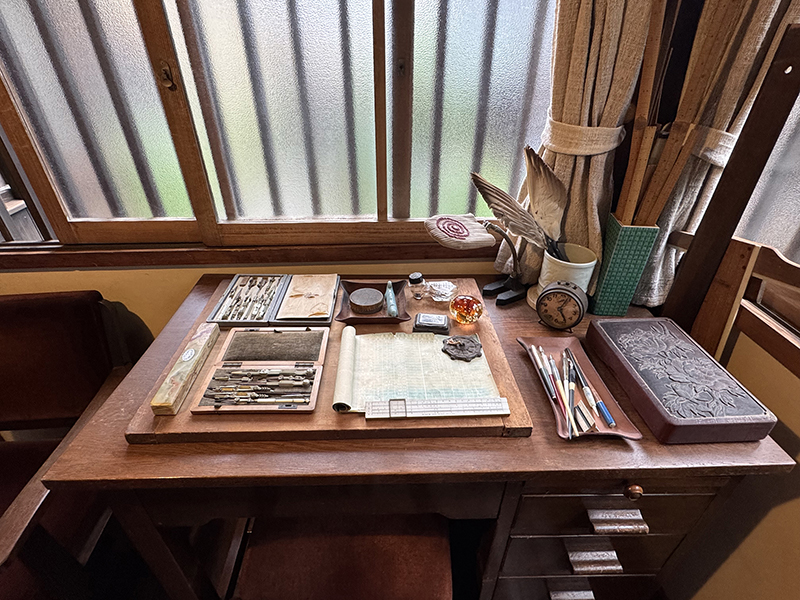
On the desk, stationery used for his architectural designs is neatly displayed. The bookshelves and furniture were also designed by him to perfectly suit the house, creating a look that was both functional and stylish for its time.
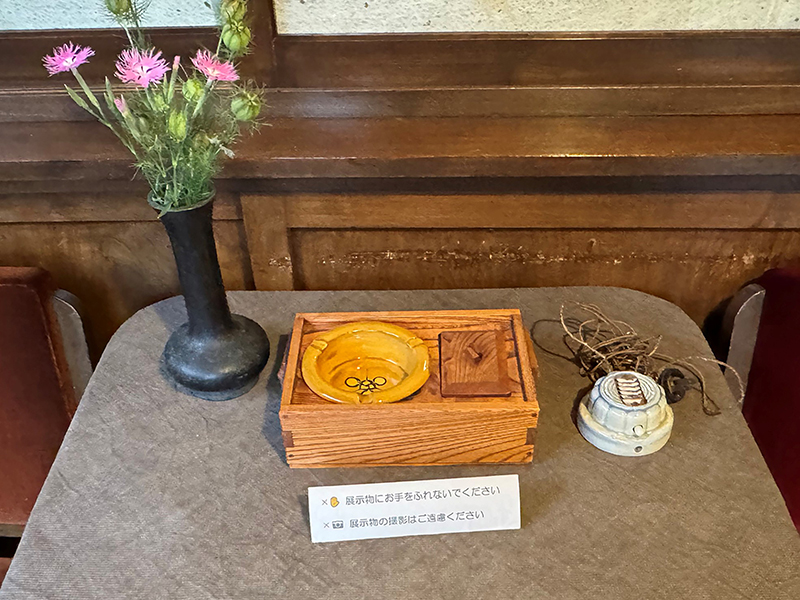
In one corner, an ashtray with a cigarette holder hints at the era’s social customs. You can almost imagine him offering a cigarette to his guests as they arrived.
 ■ Living Room/Kitchen
Further inside is the living room, centered around a low table.
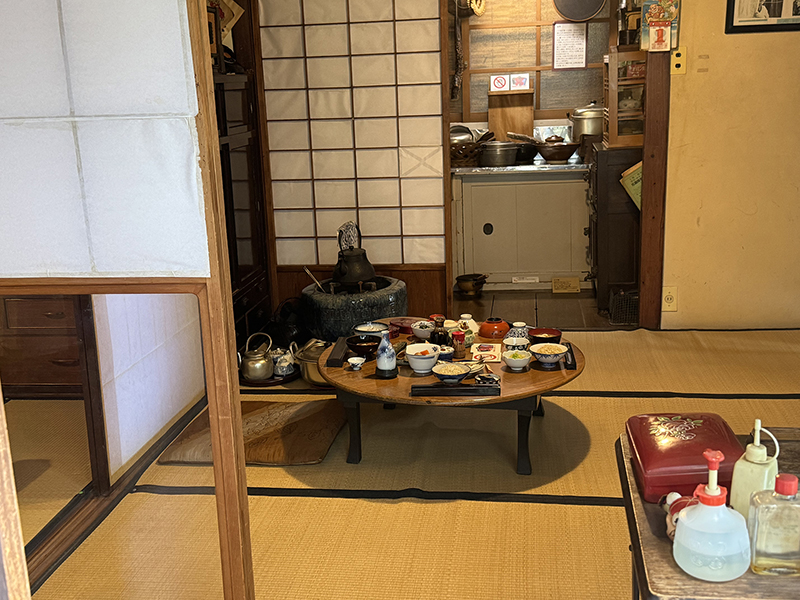
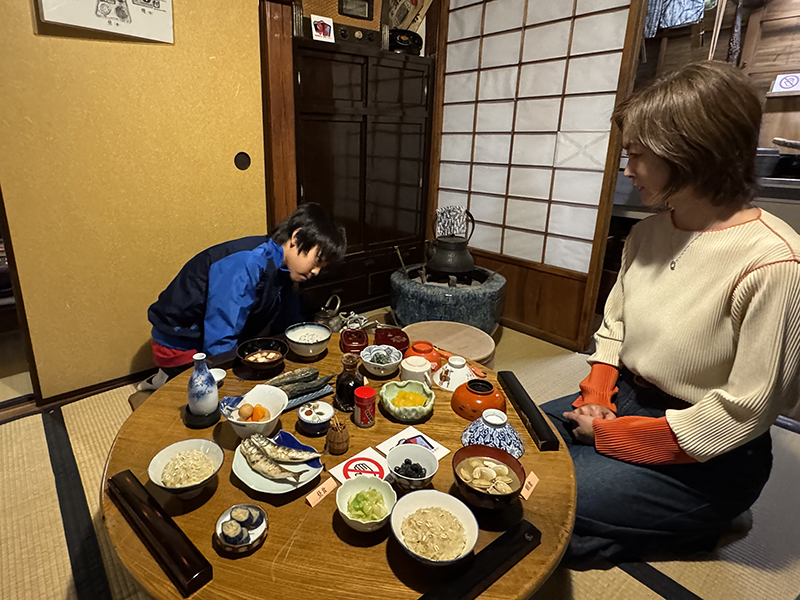
Above the table, models recreate breakfast, lunch, and dinner as they would have appeared back then. With pickles on the table and chopsticks in individual boxes, these dining scenes may feel charmingly unfamiliar to children today.
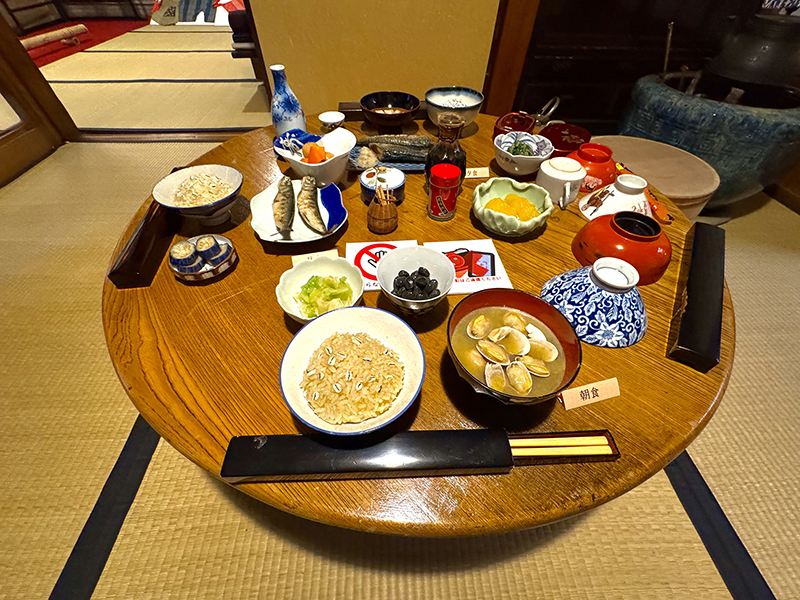
In this era, televisions were still rare. Families would gather around the low table to chat and spend time together. At night, the table would be cleared away, futons laid out, and everyone would sleep side by side. You can really sense the closeness of family life in those days.
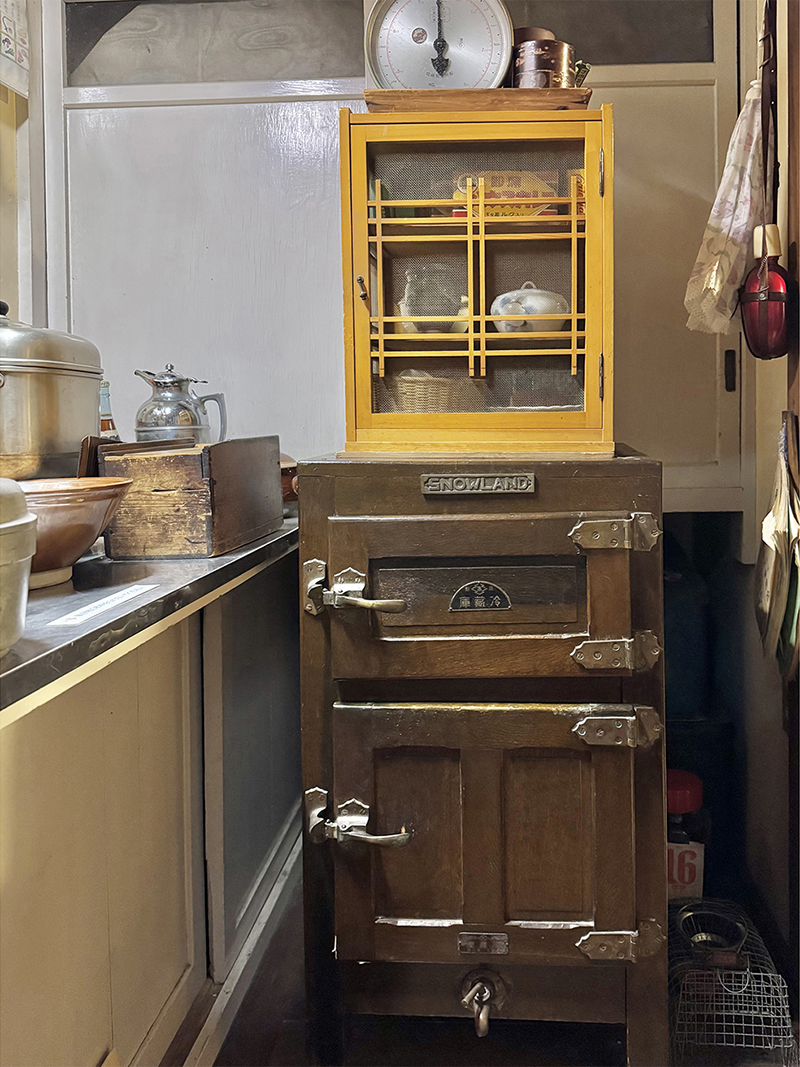
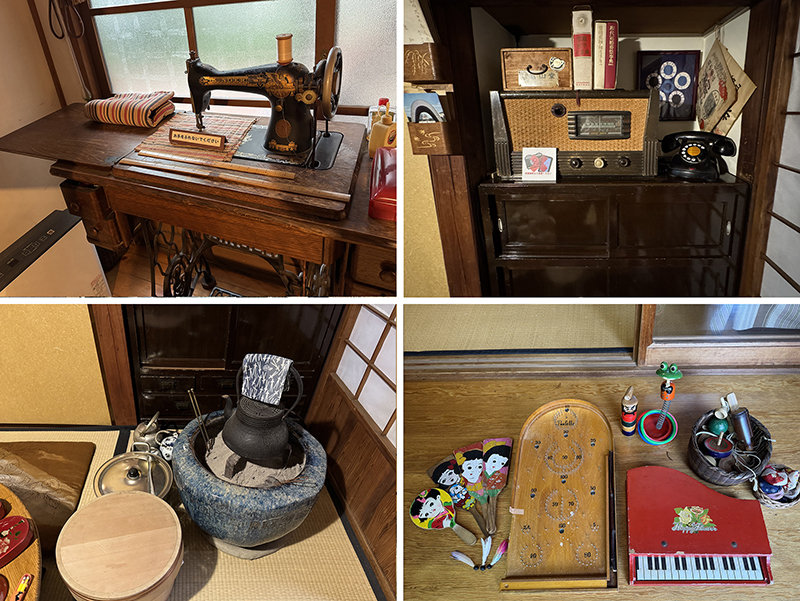
Adjacent to the living room is the kitchen, where traditional utensils like buckets and mortars are neatly arranged. Where’s the refrigerator?
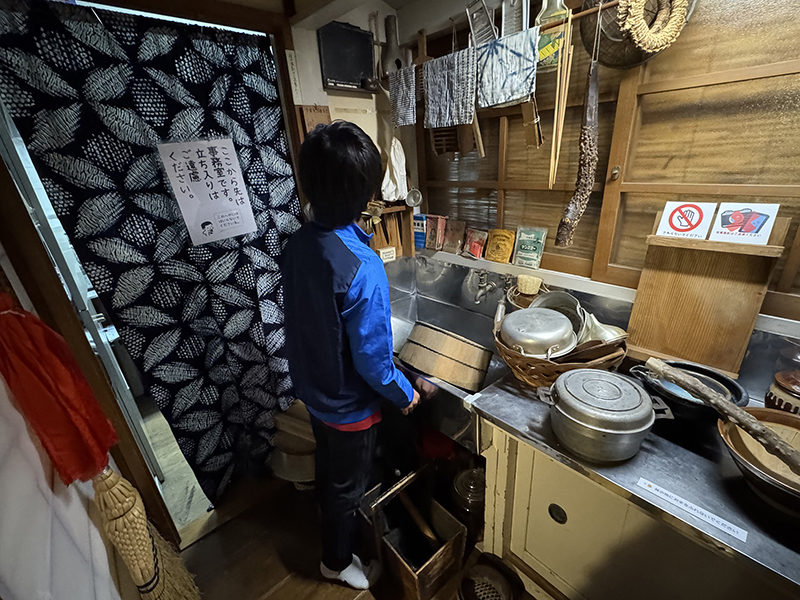
Believe it or not, this wooden box served as one! Before electric refrigerators became common, ice was placed on top of the box, and the cool air would sink down to preserve food. Ice was delivered daily by an ice man on a handcart.
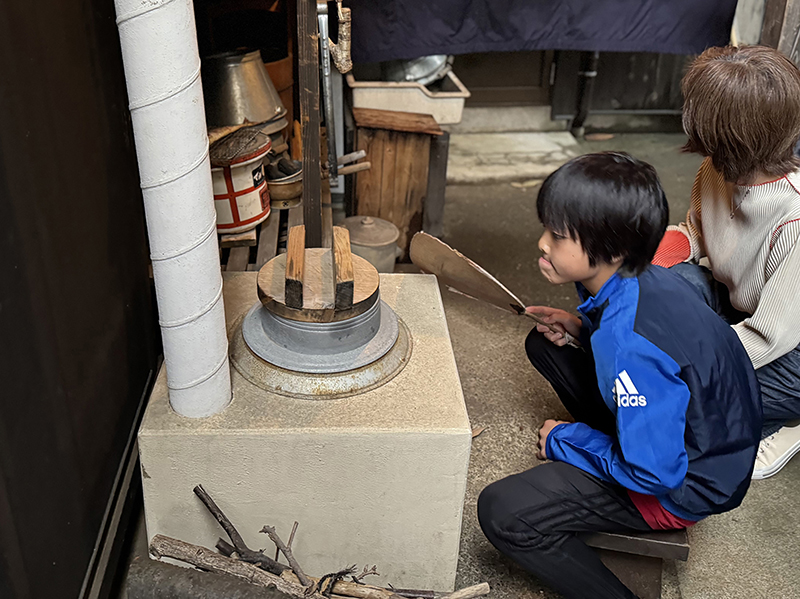
Without gas or running water, the family cooked rice over a firewood stove on the dirt floor in the back, grilled fish on a charcoal grill, and drew water from a well. Cooking outdoors in the summer heat or winter cold must have been grueling work—hard to imagine today.
 ■ Tatami Room
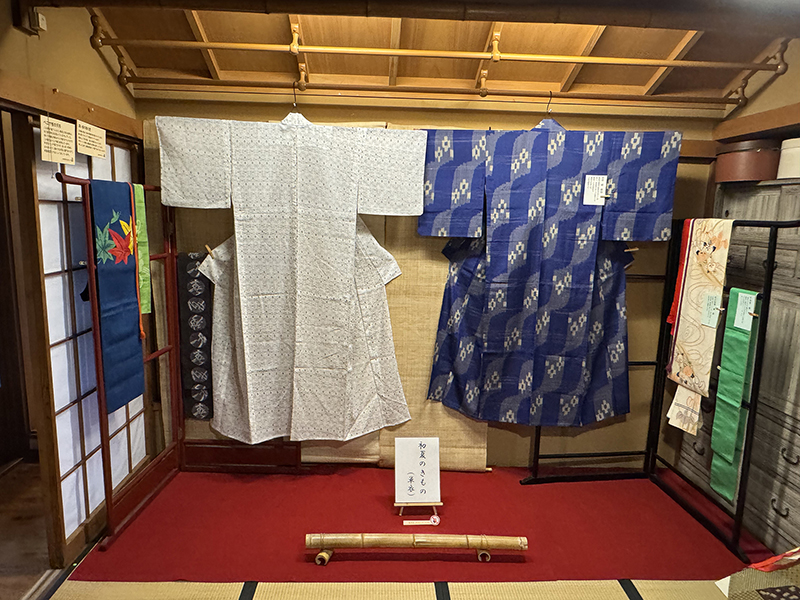
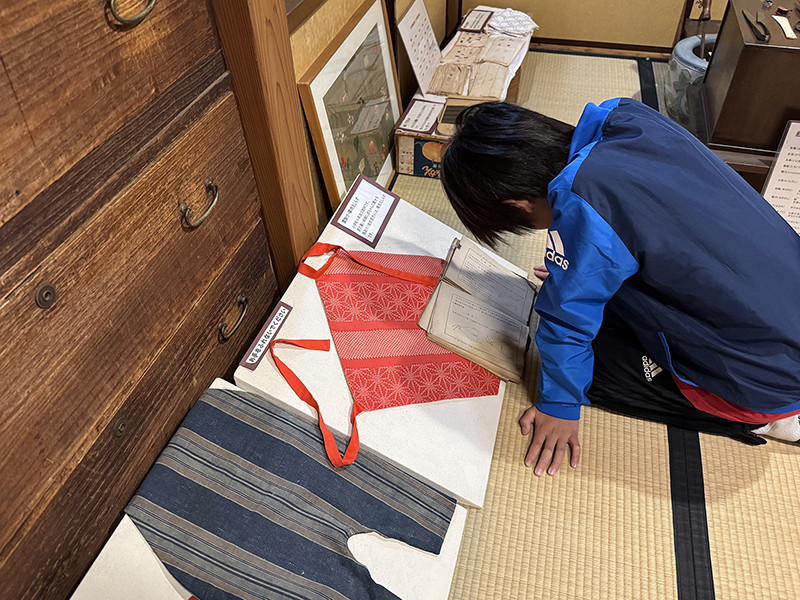
The tatami room doubled as the mother’s workroom. Sewing tools and clothing from the era are displayed here.
Sewing was an essential household chore for housewives. Ready-made garments were scarce, so the family’s clothing, underwear, and even bedding were all handmade.
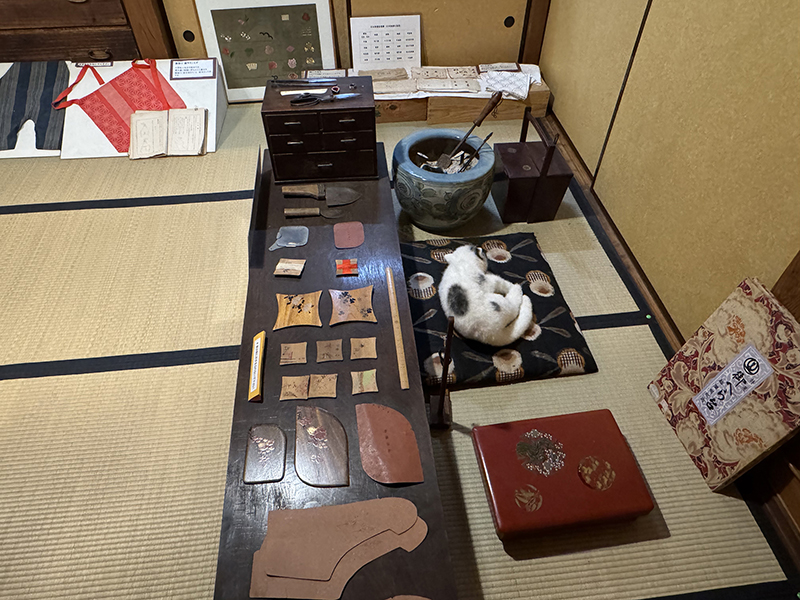
Also on display are sewing textbooks used by elementary school girls and belly wraps they created during practical classes. These exhibits highlight how sewing was not only a household necessity but also an important part of women’s education at the time.
 ■ Special Exhibition Room on the Second Floor: A Recreated Children’s Room
The second floor, once home to the family’s boarders, now serves as a special exhibition space.
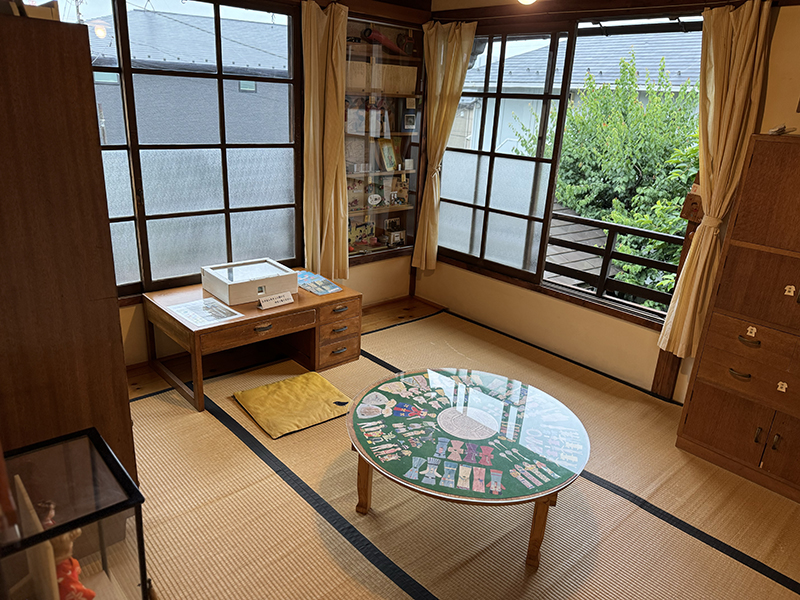
During our visit, the exhibit on display was “The Yamaguchi Family’s Children’s Room. ” It features toys and educational materials actually used by the children of historian Keiji Yamaguchi and his wife Shizuko .
This four-and-a-half-tatami room is brimming with charming toys from the 1950s.
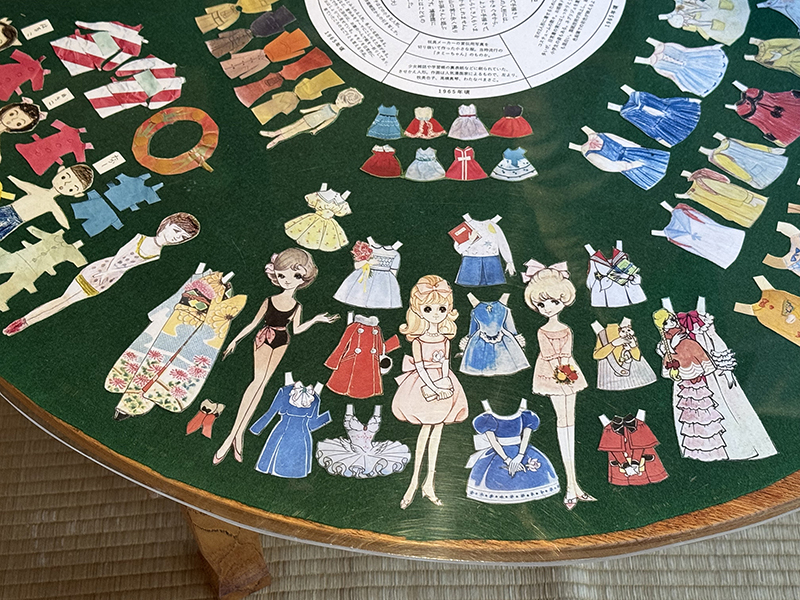
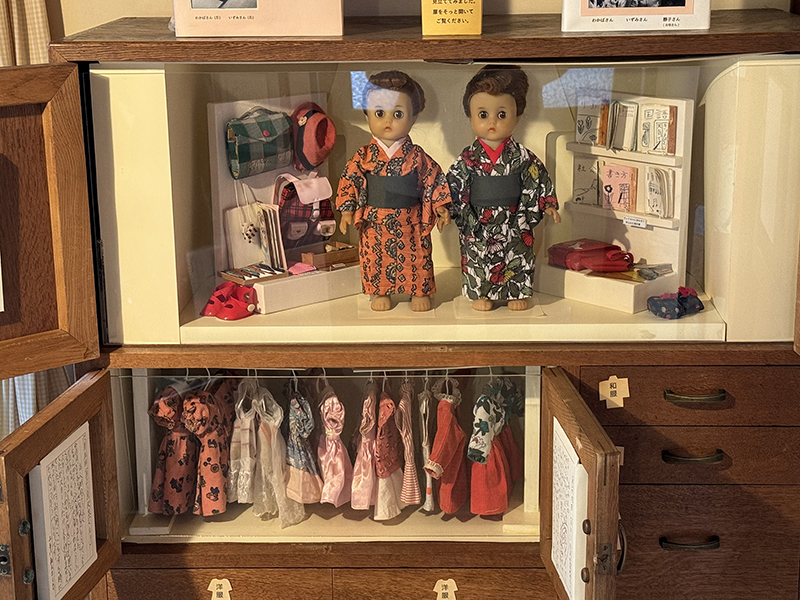
From dress-up dolls and magazine freebies to candy giveaways, textbooks, and diaries, these carefully preserved items offer a vivid glimpse into the carefree daily lives of children at the time.
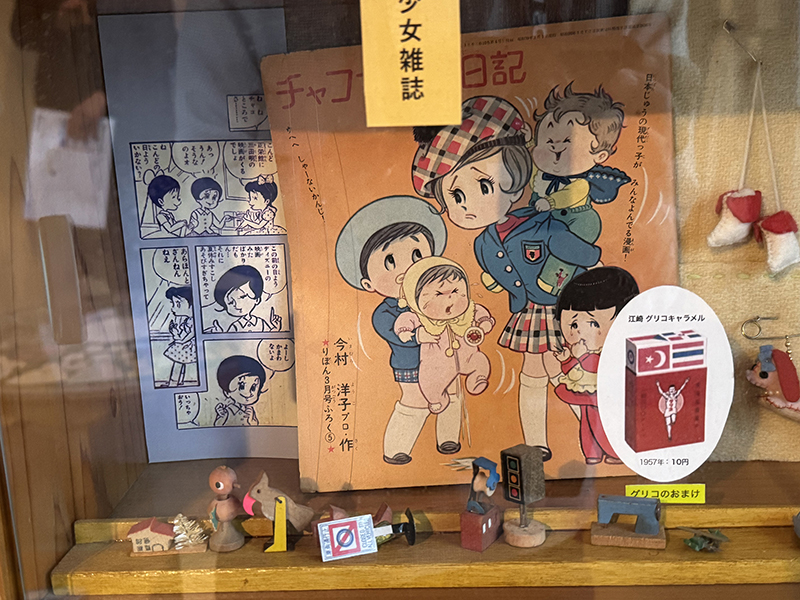
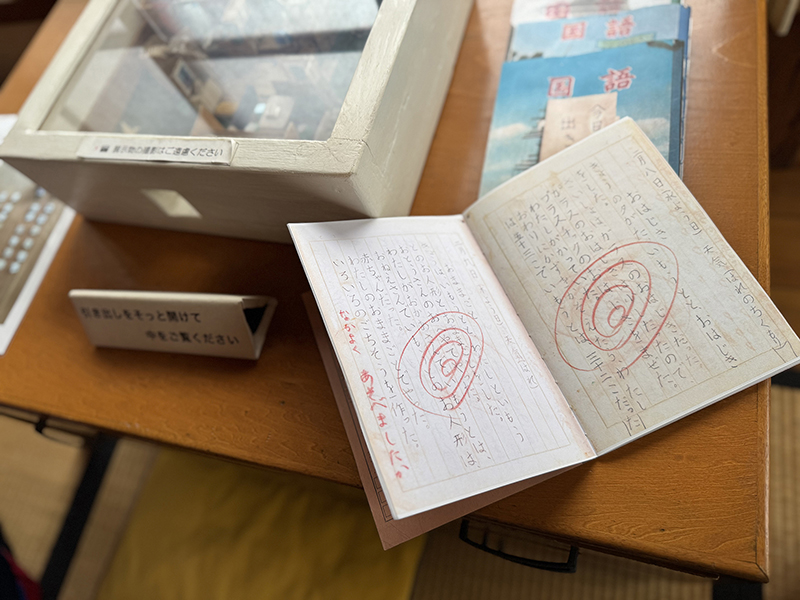
* “The Yamaguchi Family’s Children’s Room” exhibit will close temporarily on Monday, July 21, 2025, and is scheduled to return in April 2026. The “Wartime Toys ” exhibition will run from August 2025 to March 2026.
■ A Special Exhibition Showcasing Food, Clothing, and Shelter in the Showa Era
The exhibition “The Showa Era Was Like This: Commemorating the Publication of the Illustrated Guide to Showa-Era Lifestyle and Tools ” runs until Sunday, March 29, 2026. It highlights the ingenuity of daily life in an era when pre-made goods were scarce and plastic and vinyl were virtually unknown. Visitors can see many of the tools featured in the book up close.
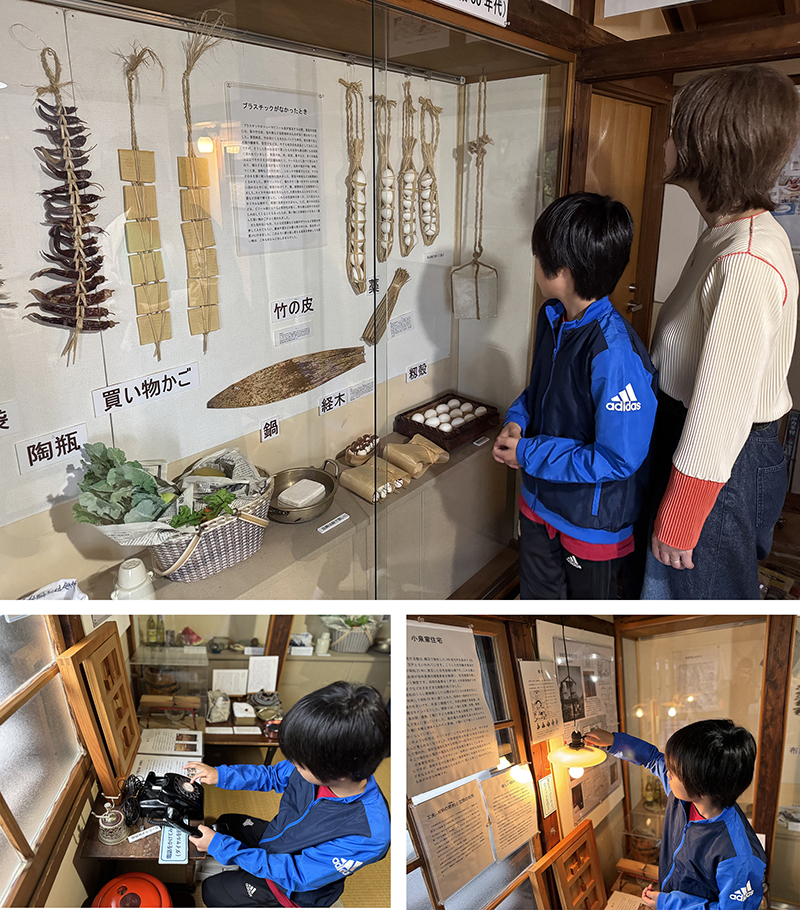
The museum also holds irregular workshops where visitors can experience aspects of Showa-era living firsthand. Be sure to check the official website for the latest schedule.
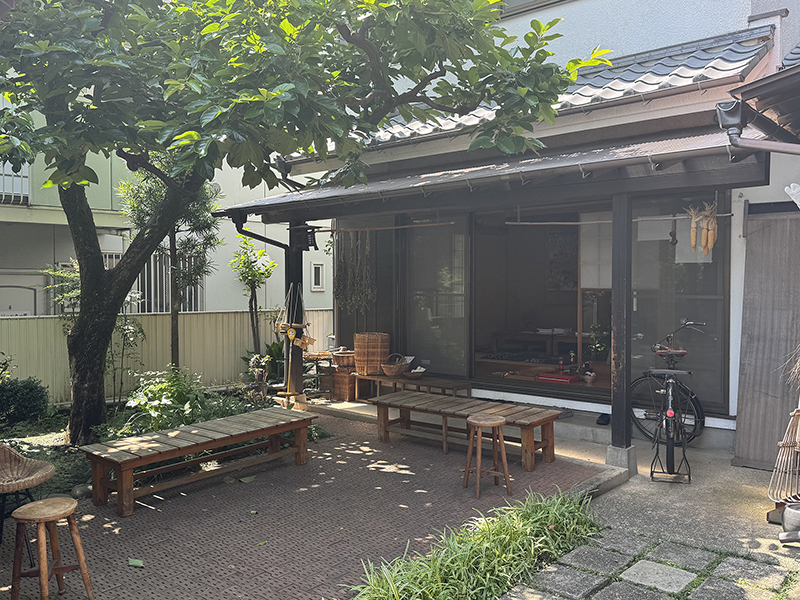
Once a vegetable patch, the courtyard is now a pleasant terrace. In the lean years of the early 1950s, families here grew vegetables and even raised chickens to supplement their food supply.
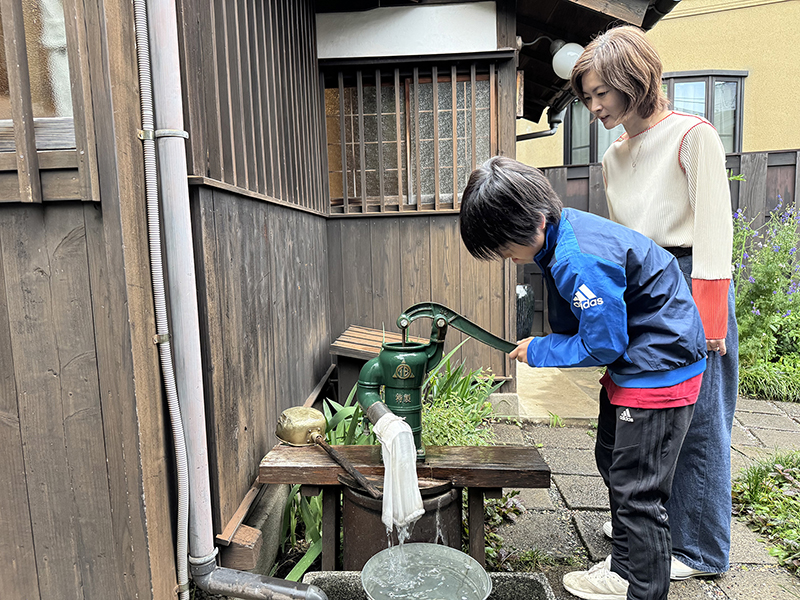
Today, visitors can try pumping water from a well, a task children especially enjoy. They fill the well, work the pump, and draw up the water by hand—just as people did back then.
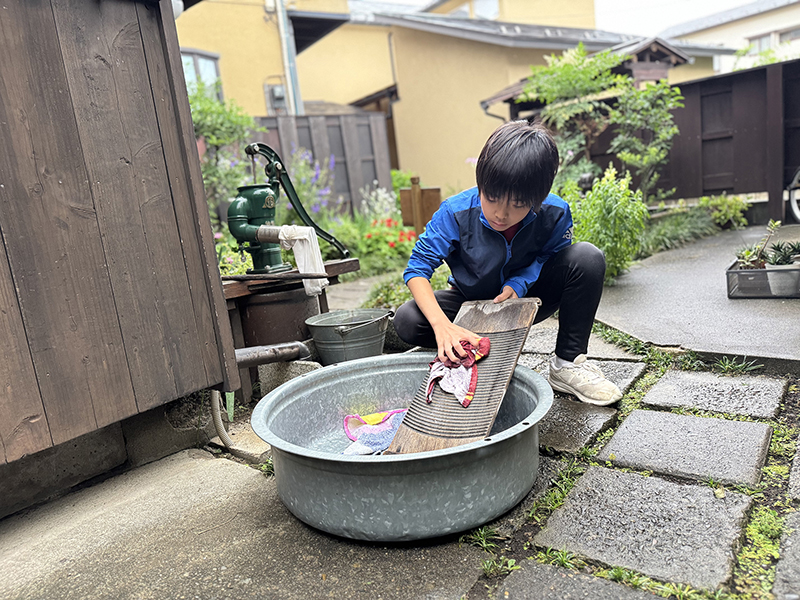
You can even try washing laundry the old-fashioned way: wetting fabric, lathering it with soap, and scrubbing it on a washboard. The museum uses real laundry for this activity.
One visiting family reportedly worked together to wash a full-sized sheet!
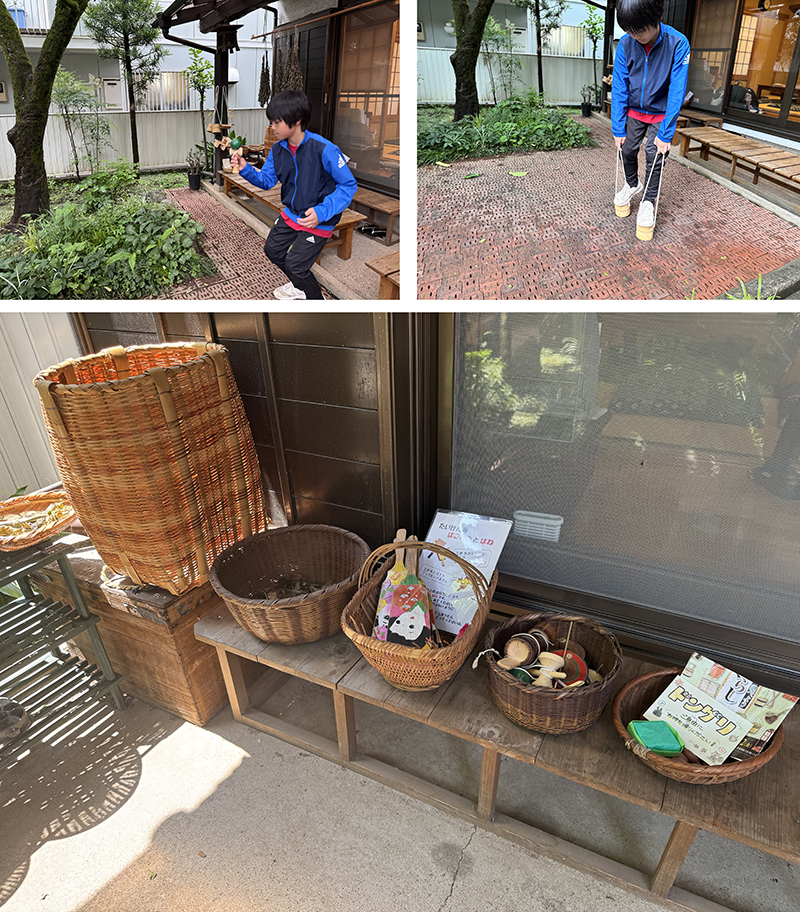
In one corner of the terrace, traditional toys such as stilts, pokkuri clogs, kendama, and beanbags are set out for anyone to play with. Even adults may find themselves swept up in nostalgia.
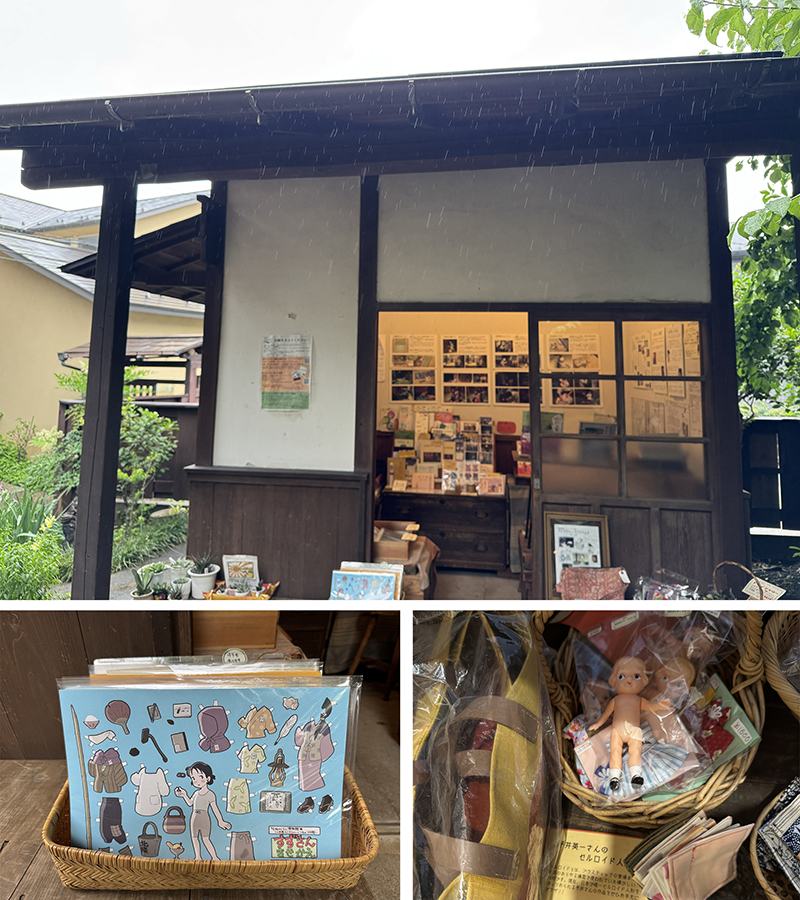
There’s also a small gallery offering souvenirs like books about Showa-era life, celluloid dolls, dress-up dolls, and other retro items—perfect for a keepsake of your visit.
At the Museum of Life in the Showa Era, visitors can step back into everyday life just before Japan’s period of rapid economic growth.
Experiencing this way of living—so different from today—feels like a glimpse into the very essence of “daily life.” It’s a time-travel experience that parents and children alike won’t want to miss.
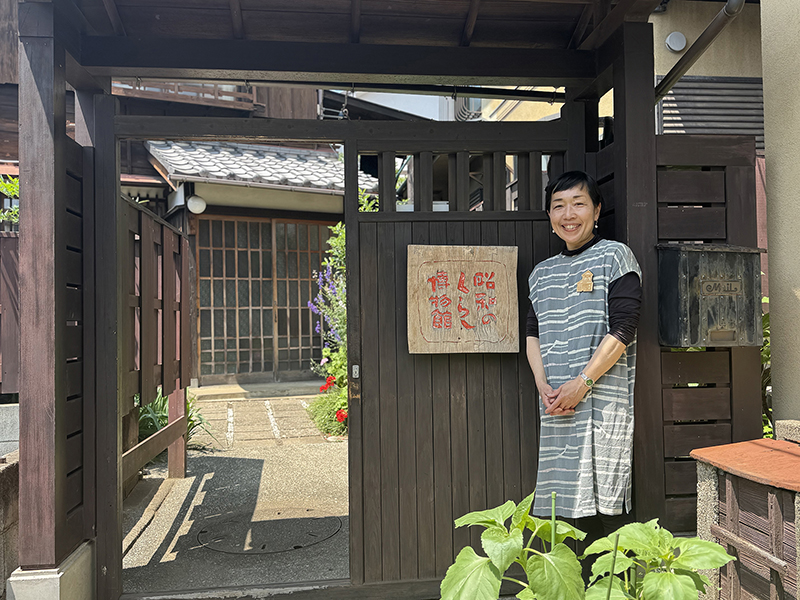 Curator Kozue Kobayashi shared insights about life in the Showa era.